
3-2-1 Ribs on Traeger: Foolproof Smoked Ribs Every Time
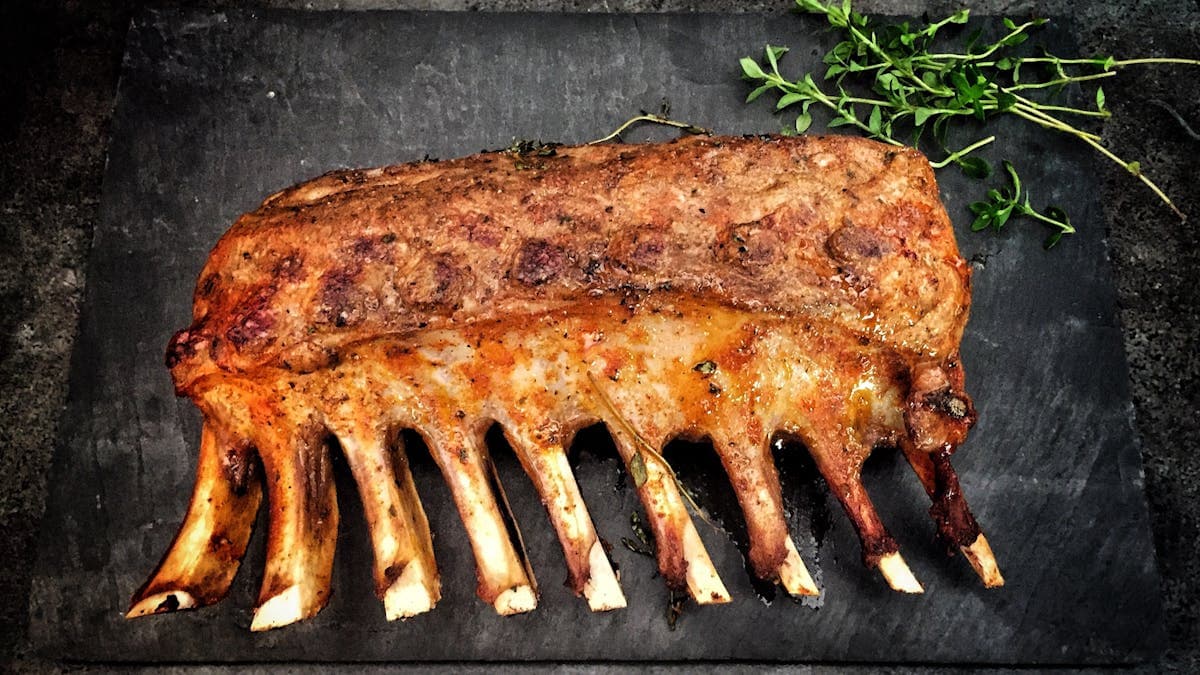
The 3-2-1 method is the most reliable way to smoke ribs on a Traeger® pellet grill, and it produces fall-off-the-bone results every single time. The numbers refer to the three phases of cooking: 3 hours of smoking, 2 hours wrapped in foil, and 1 hour unwrapped with a BBQ sauce glaze. Each phase serves a specific purpose, and together they transform a rack of spare ribs into something that rivals the best BBQ joints in the country.
If you have ever pulled ribs off a grill that were tough, dry, or lacked smoke flavor, this method solves all of those problems. The initial smoke phase builds deep flavor and bark. The wrapping phase braises the ribs in butter and honey until they are impossibly tender. And the final hour caramelizes the sauce into a sticky, lacquered glaze. It is a simple formula that works every time.
Why the 3-2-1 Method Works So Well on a Traeger
The 3-2-1 method was developed for offset smokers, but it is actually even easier on a Traeger® because the grill handles temperature control for you:
- Rock-steady 225°F — The Traeger® maintains the exact temperature you set. No fire management, no vent adjustments, no temperature spikes.
- Consistent smoke production — Hardwood pellets generate clean, steady smoke for the full 3-hour unwrapped phase, building maximum smoke flavor.
- No hot spots — The convection-style heat in a Traeger® cooks both racks evenly, even if they are positioned differently on the grates.
- Walk-away convenience — Once the ribs are on the grill, you have 3 hours before you need to do anything. That is time for side dishes, yard work, or just relaxing.
Choosing Your Ribs
This recipe calls for St. Louis-style spare ribs, which are the best cut for the 3-2-1 method.
Spare ribs vs. baby backs:
- Spare ribs come from the belly side of the rib cage. They are larger, meatier, and have more fat, which keeps them moist during the long cook. St. Louis-style spare ribs have the rib tips trimmed off for a cleaner, more uniform shape.
- Baby back ribs come from the loin area near the spine. They are shorter, leaner, and cook faster. If you use baby backs, switch to a 2-2-1 method (2 hours smoke, 2 hours wrapped, 1 hour sauce) to prevent overcooking.
Look for racks that weigh about 3 pounds each with good meat coverage over the bones. Avoid racks with exposed bones or thin spots, sometimes called "shiners."
Equipment You Will Need
- Traeger® Woodridge Pellet Grill — plenty of grate space for 2 racks side by side
- Traeger® Cherry Hardwood Pellets — cherry adds a mild, sweet smokiness that pairs beautifully with pork ribs
- ThermoWorks Thermapen ONE — for checking internal temperature between the bones
- Traeger® Drip Tray Liners — ribs drip a fair amount during the unwrapped phase
- Heavy-duty aluminum foil — wide 18-inch rolls work best for wrapping full racks
- A spray bottle for apple cider vinegar spritz
Still shopping for a grill? See our ranking of the best pellet grills for ribs — six smokers built for steady low heat, deep smoke, and rack after rack, from a $450 workhorse to a buy-it-for-life tank.
Ingredients
The Dry Rub
- 1/4 cup brown sugar — caramelizes during smoking to create a sweet, crunchy bark.
- 2 tablespoons smoked paprika — adds color and reinforces the smoky flavor.
- 1 tablespoon chili powder — gentle warmth without overwhelming heat.
- 1 tablespoon garlic powder
- 1 tablespoon onion powder
- 1 teaspoon cumin — earthy depth that rounds out the flavor profile.
- 1 teaspoon kosher salt
- 1 teaspoon black pepper
Mix all rub ingredients together in a bowl. This makes enough for 2 full racks with a little extra. For more rub options, check out our dry rub for ribs recipe with three variations from sweet to spicy.
Wrapping Ingredients (Per Rack)
- 2 tablespoons butter, cut into pats
- 2 tablespoons honey
- 2 tablespoons brown sugar
Glaze
- 1/2 cup BBQ sauce — use your favorite. Sweet, tangy, or spicy all work. The sauce will caramelize on the grill.
Step-by-Step Instructions
Step 1: Prep and Season the Ribs (20 Minutes)
Remove the membrane. This is the single most important prep step for great ribs. The membrane is a thin, papery layer on the bone side of the rack. It does not break down during cooking and prevents smoke and rub from reaching the meat.
- Flip the rack bone-side up.
- Slide a butter knife under the membrane at one end of the rack, between the membrane and the bone.
- Once you have loosened a corner, grip it with a dry paper towel (it is slippery) and peel it off in one piece. It should come off in a single sheet.
Season the ribs:
- Pat both racks completely dry with paper towels.
- Brush a thin layer of yellow mustard on all surfaces. The mustard acts as a binder for the rub and burns off completely — you will not taste it.
- Apply the dry rub generously on both sides of each rack, pressing it into the meat.
- Let the seasoned ribs sit at room temperature for 20 to 30 minutes while the grill preheats.
Step 2: Smoke for 3 Hours (The Flavor Phase)
This is the money phase where the ribs build their smoke flavor and bark.
- Fill the hopper with cherry pellets. Apple pellets are also excellent for ribs.
- Set the Traeger® to 225°F and preheat for 10 to 15 minutes.
- Place both racks bone-side down on the grill grates. If space is tight, use a rib rack to stand them upright.
- Close the lid and smoke for 3 hours. Resist the urge to peek for at least the first 90 minutes.
- Optional spritz: After 90 minutes, you can spritz the ribs with apple cider vinegar every 45 minutes. This adds a subtle tang and helps build bark. Some pitmasters skip this entirely — both approaches work.
At the end of 3 hours, the ribs should have a deep reddish-brown bark. The meat will have pulled back from the bones by about 1/4 inch. The internal temperature should be around 160 to 165°F.
Step 3: Wrap for 2 Hours (The Tenderizing Phase)
The wrap phase braises the ribs in butter, honey, and brown sugar, breaking down connective tissue and making the meat incredibly tender.
- Remove the racks from the grill. Work quickly to minimize heat loss from the grill.
- For each rack: lay out a large sheet of heavy-duty aluminum foil — standard foil tears on a bone tip and leaks the braise. Place the rack meat-side down on the foil.
- On the bone side of each rack, add:
- 2 tablespoons butter, cut into small pats
- 2 tablespoons honey, drizzled over the bones
- 2 tablespoons brown sugar, sprinkled over the top
- Wrap the foil tightly around each rack, creating a sealed pouch. The seal should be tight enough that no liquid escapes.
- Return the wrapped racks to the grill at 225°F, seam-side up so the liquid pools around the meat side.
- Cook for 2 hours.
When you unwrap the ribs after 2 hours, they should be visibly more tender. The meat will have pulled back from the bones by about 1/2 inch, and the bones should wiggle slightly when you grab one.
Step 4: Unwrap and Glaze for 1 Hour (The Finish)
The final hour sets the sauce and firms up the bark.
- Carefully remove the foil-wrapped racks from the grill — a pair of heat-resistant gloves makes this much easier than juggling tongs and a full pouch of hot liquid.
- Open the foil and transfer the racks back to the grill grates, bone-side down. Discard the foil and liquid (or save the liquid as a drizzle).
- Brush a generous coat of BBQ sauce on the meat side of each rack.
- Close the lid and cook at 225°F for 1 hour. The sauce will set and become tacky, slightly caramelized, and glossy.
- During the last 15 minutes, apply a second coat of sauce if you want a thicker glaze.
Step 5: Rest and Serve (10 Minutes)
- Remove the racks from the grill and place them on a cutting board.
- Let them rest for 10 minutes. This allows the juices to settle and makes cleaner cuts.
- Slice between the bones with a sharp chef's knife.
- The bend test: The ribs should be tender enough that the meat pulls cleanly from the bone with a gentle tug, but it should not fall off completely. If the meat is falling apart, you may have wrapped for slightly too long — still delicious, just a different texture.
Serve immediately with extra BBQ sauce on the side, coleslaw, and cornbread.
Pro Tips for Perfect 3-2-1 Ribs
- Do not skip removing the membrane. It is the single biggest quality improvement you can make. The membrane blocks smoke and rub absorption and creates an unpleasant chewy texture on the finished ribs.
- Use the bend test, not just temperature. Pick up the finished rack from the center with tongs. The rack should bend significantly, and the surface of the meat should crack slightly. If the rack is still stiff, it needs more time.
- Match pellets to flavor. Cherry and apple pellets create a mild, sweet smoke that complements pork. Hickory works for a bolder flavor. Avoid mesquite for ribs — it can be overpowering on a 6-hour cook. See our picks for the best wood pellets for ribs, including which bag to buy if you wrap.
- Do not over-sauce. A thin, even coat that caramelizes during the final hour is more flavorful than drowning the ribs in sauce. The bark and smoke should still be the star of the show.
- Keep the grill closed. Temperature recovery on a pellet grill takes several minutes. Every time you open the lid, you add time to the cook.
- Remove the ribs from foil carefully. The meat is very delicate after the wrapping phase. Use two spatulas or a large cutting board to support the rack when transferring it back to the grates.
Variations to Try
Memphis-Style Dry Ribs
Skip the BBQ sauce entirely during the final hour. Instead, apply an extra dusting of dry rub when the ribs come out of the foil. The rub toasts on the surface for a flavorful, sauceless finish. Serve with sauce on the side for dipping.
Spicy Honey Sriracha Ribs
Replace the BBQ sauce glaze with a mixture of 1/4 cup honey, 2 tablespoons sriracha, 1 tablespoon soy sauce, and 1 tablespoon lime juice. Brush on during the final hour for a sweet-and-spicy Asian-inspired glaze.
Apple Juice Wrap
Instead of butter, honey, and brown sugar in the foil, pour 1/4 cup of apple juice into each foil packet. The apple juice creates a lighter braise that keeps the ribs moist without adding as much sweetness.
Gear for This Recipe
The four things this cook actually leans on, beyond the ribs and the rub:
Kingsford Craftsmoke Applewood Pellets (20 lb)
ThermoWorks Thermapen ONE
Traeger® Drip Tray Liners
Reynolds Wrap Pitmaster's Choice Heavy Duty Foil (18 in)
Frequently Asked Questions
What is the difference between baby back ribs and spare ribs for 3-2-1?
Spare ribs are larger, meatier, and fattier than baby backs, which makes them the ideal choice for the 3-2-1 method. The extra fat keeps them moist during the long cook. Baby backs are leaner and smaller, so they cook faster and can dry out with the full 3-2-1 timing. If using baby backs, switch to a 2-2-1 method instead.
Do I have to remove the membrane from ribs?
Removing the membrane is strongly recommended. The membrane is a thin, tough layer of tissue on the bone side that does not break down during cooking. Leaving it on prevents smoke and rub from penetrating the meat from that side. It also creates a chewy, unpleasant texture.
What internal temperature should ribs reach?
Ribs are done when the internal temperature reaches 195 to 205°F, measured between the bones without touching bone. The bend test is equally reliable: pick up the rack from the center with tongs. If the rack bends and the meat starts to crack on the surface, they are done.
Can I use the 2-2-1 method for baby back ribs on a Traeger?
Yes. Baby back ribs are thinner and leaner than spare ribs, so they need less time. Smoke for 2 hours, wrap for 2 hours, and glaze unwrapped for 1 hour, all at 225°F. The total cook time is about 5 hours. Use the same rub, wrapping ingredients, and sauce as this recipe.
How do I reheat leftover smoked ribs?
Wrap leftover ribs tightly in foil with a splash of apple juice. Reheat on the Traeger® at 250°F for 30 to 45 minutes until warmed through. You can also reheat in a 300°F oven for 25 to 30 minutes. Avoid microwaving, which makes the meat rubbery and dries it out.
Cherry Pellets: The Secret to Great Ribs
Traeger Cherry Hardwood Pellets deliver a mild, sweet smoke that pairs perfectly with pork ribs. The subtle fruitiness complements the rub without overpowering the meat.
What to Cook Next
Expand your Traeger® rib game and try these related recipes:
- Dry Rub for Ribs: 3 Recipes from Sweet to Spicy — Level up your rub game with our sweet, spicy, and Memphis-style variations.
- Smoked Pulled Pork on Traeger — Another pork classic that is perfect for feeding a crowd.
- Pork Belly Burnt Ends — Smoky, sticky BBQ candy that uses similar techniques to the wrap phase.
- Smoked Country Style Ribs — Not actually ribs, but shoulder meat cooked with the same smoke-then-wrap logic in 4 hours.
Browse all of our Traeger® recipes for more inspiration.
Explore more: Traeger Recipe Collection | Wood Pellet Flavor Guide | All Recipes