
Beef Jerky on a Pellet Grill: Smoky, Chewy, and Better Than Store-Bought
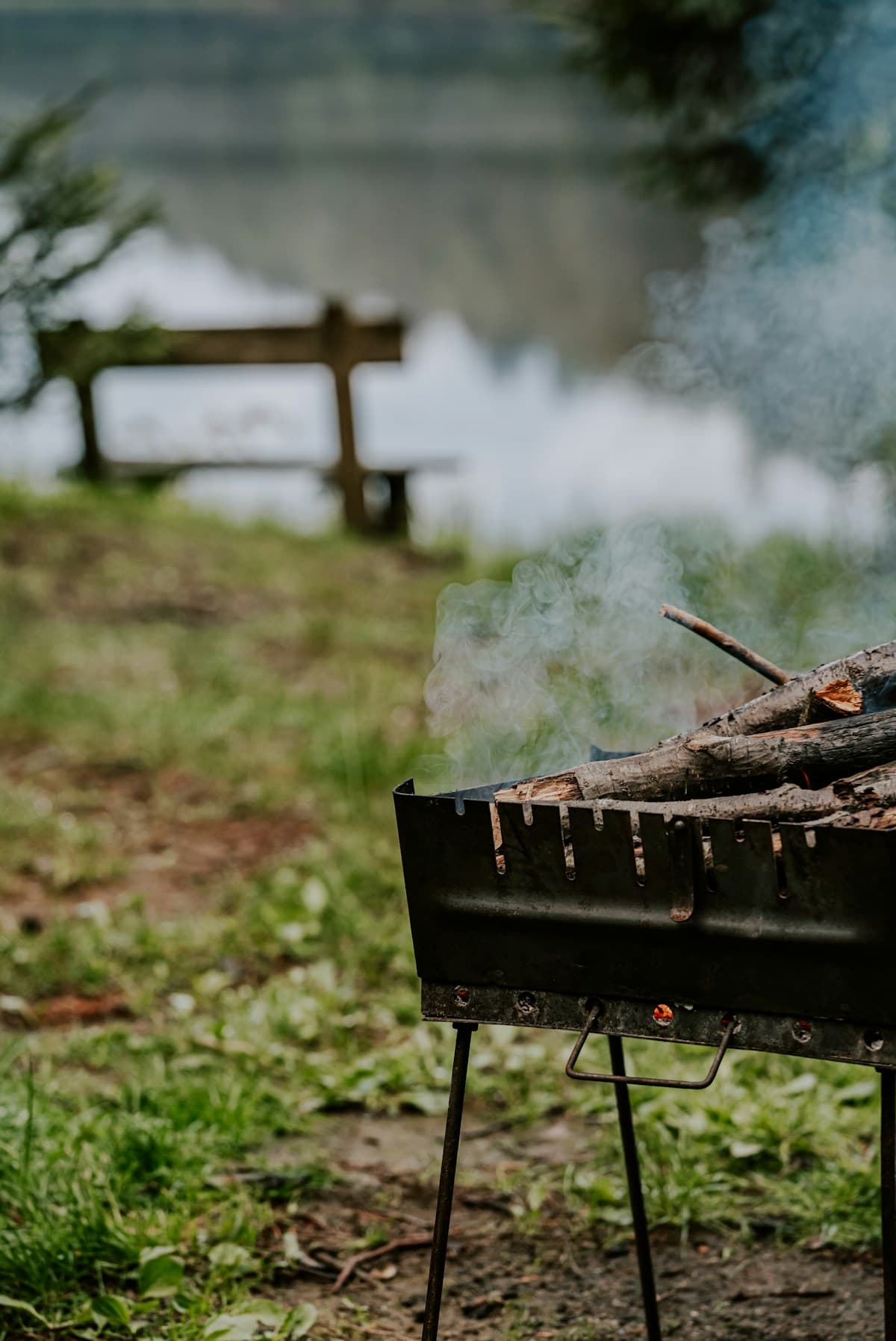
Beef jerky on a pellet grill ruins the store-bought stuff forever. Real wood smoke, beef you sliced yourself, and a marinade you control completely -- for roughly the price of one small bag of premium jerky, you get a full pound of the best snack that has ever come off your grill. It is not a difficult cook, but it is a patient one: a long marinade, a low smoke, and a little attention to food safety are what separate great jerky from expensive mistakes.
This recipe is written for any pellet grill -- it works the same on a Traeger®, Pit Boss, Camp Chef, or Z Grills, because every step depends on temperature and time, not the badge on the lid. The one requirement is that your grill can hold a low setting in the 160-180°F range, which nearly every modern pellet grill can.
Start With the Right Cut
Jerky demands lean beef. Fat does not dehydrate -- it just sits in the finished jerky and goes rancid long before the meat itself spoils. That rules out the marbled cuts we normally celebrate on a smoker.
- Eye of round is the best all-around choice: extremely lean, inexpensive, and shaped like a uniform cylinder that slices into tidy, even strips.
- Top round and bottom round are nearly as good and often easier to find in larger roasts.
- Skip ribeye, chuck, and brisket. Save those for cooks where fat is the point.
Trim every visible bit of surface fat and silverskin before slicing. Ten extra minutes with a sharp knife here directly extends the shelf life of the finished jerky.
Slicing: The Step That Decides the Texture
Put the trimmed roast in the freezer for 1 to 2 hours first. Firm, half-frozen beef slices dramatically more evenly than soft, room-temperature beef, and even slices are the difference between a batch that finishes together and a batch where half the strips are brittle while the other half are still wet.
Slice the beef into 1/4-inch strips:
- Against the grain for jerky with a tender bite that pulls apart easily. This is the crowd-pleasing choice.
- With the grain for the chewier, old-school jerky that puts up a fight. Truck-stop classic.
Either way, keep the thickness consistent. A 1/4-inch strip is thick enough to stay pleasantly chewy but thin enough to dry in an afternoon.
The Marinade: 12 to 24 Hours, No Shortcuts
Whisk together the soy sauce, Worcestershire, brown sugar, black pepper, garlic powder, onion powder, smoked paprika, and red pepper flakes. Load the strips into a zip-top bag, pour the marinade over, press out the air, and refrigerate for 12 to 24 hours, flipping the bag when you think of it.
Twelve hours is the floor -- the salt needs that long to penetrate and season the meat all the way through, which also helps preserve it. Twenty-four hours gives a deeper flavor and a slightly firmer cure. Past 24 hours the texture starts turning ham-like, so do not push it.
Before smoking, pat every strip dry with paper towels. A tacky-dry surface takes smoke beautifully; a wet strip steams instead.
Food Safety: Read This Part
Jerky is the one pellet grill cook where food safety deserves its own section, because the drying happens below normal cooking temperatures. The USDA recommends heating beef to an internal temperature of 160°F for safety, and strips drying at 160-180°F may spend hours below that mark. There are two accepted ways to handle it, and many pit masters use both:
- A brief high-heat finish. After the jerky passes the bend test, bump the grill to 275°F and heat the strips for about 10 minutes until they reach 160°F internal. It takes minutes and does not noticeably change the texture. Spot-check a few of the thickest strips with a Thermapen One -- thin strips read fast and cheap thermometers read wrong, which is exactly the combination you do not want on the one safety-critical step of this cook.
- Cure the meat. Add 1/4 teaspoon of Prague powder #1 (pink curing salt) per 2 pounds of beef to the marinade. The cure inhibits bacterial growth during the low, slow dry and adds shelf stability plus that classic cured-jerky tang.
Skipping both is the one genuinely bad option. Pick at least one.
Smoking the Jerky
- Set the grill to its lowest setting, 160-180°F. On most grills this is the "Smoke" or 180°F mode. Lower is better -- you are drying the beef, not cooking it.
- Lay the strips directly on the grates in a single layer, with a little space between each piece so air can circulate. A jerky rack doubles your capacity if the batch will not fit, and if you make jerky in big batches, a vertical pellet smoker stacks several racks in the footprint of one grate.
- Close the lid and smoke for 4 to 6 hours. Rotate strips or swap rack positions halfway through if your grill runs hotter on one side.
For pellets, hickory is the classic jerky flavor -- assertive enough to stand up to the soy and pepper. Hickory pellets or a mesquite blend both work; over a 5-hour exposure, even mild pellets leave a real mark. Our wood pellet flavor guide breaks down the full lineup if you want to experiment.
The Bend-and-Crack Test
Start checking at hour four. Pull a strip, let it cool a couple of minutes, and bend it to roughly 90 degrees. Done jerky bends and cracks -- you will see white fibers split along the bend -- without breaking in half. Snaps in two? Overdried. Folds like deli meat? Keep going and re-test every 30 minutes. Strips will finish at different times; pull them individually as they pass.
Storage
Cool the finished jerky completely on a wire rack before packing it -- trapped warmth means condensation, and moisture is the enemy.
- Refrigerator: 1 to 2 weeks in a zip-top bag or airtight container. This is the default for uncured jerky.
- Vacuum-sealed: 1 to 2 months refrigerated, 6+ months frozen. If you make jerky twice, a vacuum sealer pays for itself.
- Room temperature: only for cured, thoroughly dried jerky, and even then a week or two in an airtight container is the practical limit.
If a batch ever smells off or shows any fuzz, throw it out. Two pounds of eye of round is cheap; food poisoning is not.
Gear for This Recipe
What this batch actually leans on:
Bear Mountain Hickory Pellets (40 lb)
ThermoWorks Thermapen ONE
Final Thoughts
Jerky is a fantastic second-week project once you have a couple of basic cooks under your belt -- if you are still on cook number one, start with our first cook guide and come back. And since the grill is already running low and slow for hours, jerky pairs perfectly with a batch of jalapeño poppers for the people who cannot wait until tomorrow's snack is ready.
Explore more: Wood Pellet Flavor Guide | All Recipes