
Pellet Grill Chicken Breast: Juicy, Flavorful, and Perfectly Cooked
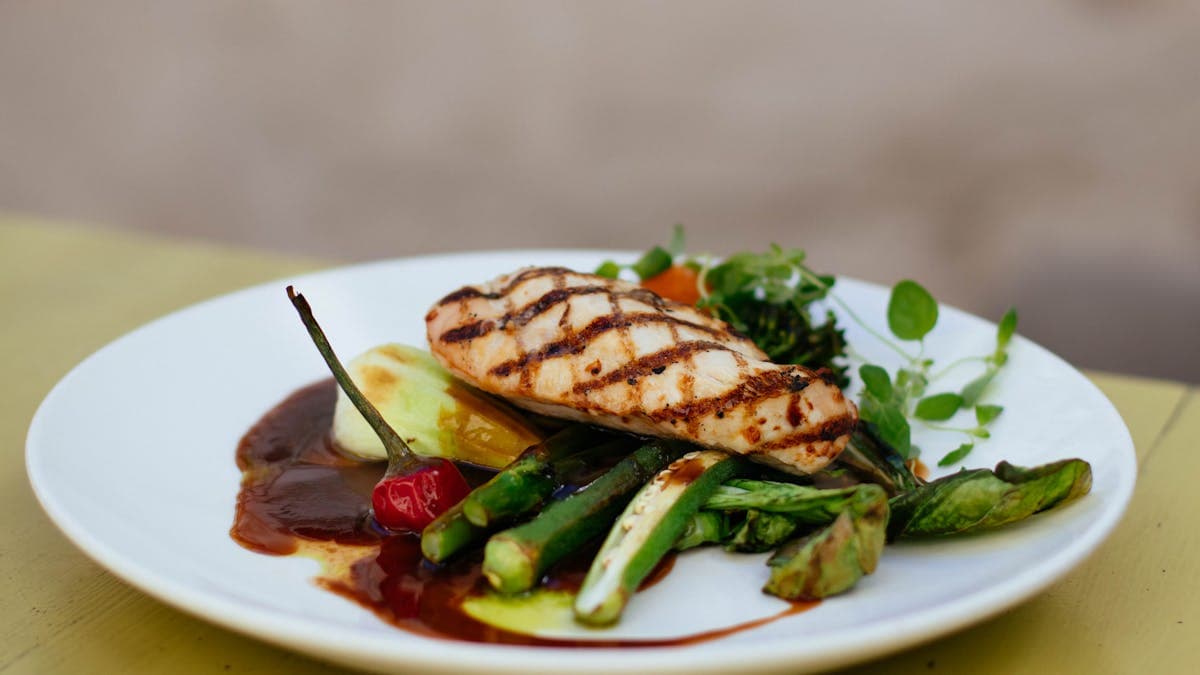
Pellet grill chicken breast has a reputation for being either perfectly juicy or disappointingly dry, with not much in between. The good news is that getting it right every single time is not complicated. It comes down to three things: a quick brine, a flavorful rub, and knowing exactly when to pull the chicken off the grill. Master those three elements and you will never serve dry chicken breast again.
Chicken breast is one of the most common proteins people cook on a pellet grill, and for good reason. It is affordable, healthy, versatile, and cooks in under 35 minutes. But the lean nature of boneless, skinless chicken breast means there is very little fat to keep the meat moist during cooking. That is where the brine comes in -- it is the single most important step in this recipe, and it only takes an hour.
This recipe works on any pellet grill -- Traeger, Pit Boss, Camp Chef, Z Grills, or any other brand. The technique is the same regardless of the brand. That said, we particularly recommend Traeger grills for their consistent temperature control, which is critical when cooking lean proteins like chicken breast.
Why Brining Changes Everything
Brining is the process of soaking meat in a saltwater solution. For chicken breast, it serves two critical purposes:
- Moisture retention. The salt in the brine changes the protein structure of the chicken, allowing it to hold onto more moisture during cooking. Brined chicken breast can retain up to 10% more moisture than unbrined chicken, which is the difference between juicy and dry.
- Seasoning from the inside. Surface rubs only flavor the outer layer of the meat. A brine seasons the chicken all the way through, so every bite tastes good, not just the first one.
The Basic Brine
- 4 cups cold water
- 1/4 cup kosher salt (use 2 tbsp if using fine table salt)
- 2 tbsp sugar
Stir until the salt and sugar are fully dissolved. Place the chicken breasts in the brine, cover, and refrigerate for 1 hour. Do not brine longer than 2 hours -- extended brining can make the texture mushy and overly salty.
After brining, remove the chicken, rinse briefly under cold water, and pat completely dry with paper towels. Dry skin (or dry surface, in this case) is essential for getting a good sear and allowing the rub to adhere properly.
Flavor variations for the brine:
- Add 2 tbsp soy sauce and 1 tbsp sesame oil for an Asian-inspired twist
- Add 1/4 cup pickle juice for a Chick-fil-A style brine
- Add lemon zest and fresh herbs (rosemary, thyme) for a Mediterranean flavor
The All-Purpose Chicken Rub
This rub works on chicken breast, thighs, wings, and whole chicken. It is savory with a touch of heat and a smoky backbone from the paprika.
Rub Ingredients
- 2 tbsp smoked paprika
- 1 tbsp garlic powder
- 1 tbsp onion powder
- 1 tsp black pepper
- 1 tsp dried thyme
- 1/2 tsp cayenne pepper (omit for a mild version)
- 1/2 tsp cumin
Mix all ingredients in a small bowl. This makes enough for 6 chicken breasts.
Applying the Rub
- Pat the brined chicken breasts completely dry with paper towels.
- Drizzle both sides with olive oil (about 1 tsp per breast). The oil helps the rub stick and promotes browning.
- Sprinkle the rub generously on all sides. Since the chicken was already seasoned by the brine, you do not need to add additional salt to the rub.
- Let the seasoned chicken sit at room temperature for 15 to 20 minutes while the grill preheats. Cooking cold chicken straight from the fridge leads to uneven cooking.
Setting Up Your Pellet Grill
- Fill the hopper with pellets. For chicken breast, mild to medium smoke flavors work best. Apple pellets or cherry pellets add a subtle fruity sweetness that complements poultry beautifully. Hickory works if you want a more pronounced smoke flavor.
- Set the temperature to 375°F. This is the sweet spot for chicken breast -- hot enough to cook the meat through quickly (preventing it from drying out on the grill) while still allowing some smoke absorption.
- Preheat for 15 minutes with the lid closed.
Why 375°F and not 225°F? Smoking chicken breast at low temperatures (225°F) for a long time will dry it out. Unlike fatty cuts like pork shoulder or brisket, chicken breast does not have enough fat to sustain a 3 to 4 hour cook. The higher temperature cooks the chicken in 25 to 35 minutes, which is fast enough to keep the moisture locked in while still giving you a noticeable smoke flavor.
Consistent Heat for Perfect Chicken
The Traeger Woodridge delivers rock-solid temperature control that takes the guesswork out of cooking lean proteins like chicken breast.
Cooking the Chicken Breast
- Place the seasoned chicken breasts directly on the grill grates, spaced at least 1 inch apart for air circulation.
- Close the lid and cook for 25 to 35 minutes. The exact time depends on the thickness of your chicken breasts. Thin breasts (under 1 inch thick) will be done closer to 25 minutes. Thick breasts (over 1.5 inches) may need the full 35 minutes.
- Do not flip the chicken. One of the best things about a pellet grill is the indirect heat. There is no need to flip -- the convection-style cooking heats all sides evenly.
- At the 20-minute mark, start checking the internal temperature with an instant-read thermometer. Insert it into the thickest part of the breast.
- Pull the chicken at 160°F. The USDA recommends 165°F for safe consumption, but the temperature will rise 5 to 7 degrees during the rest. Pulling at 160°F and resting for 5 to 10 minutes gets you to 165°F with significantly juicier results than cooking to 165°F on the grill and then resting (which pushes the final temp to 170°F or higher).
A Thermapen One gives you an accurate reading in about 1 second. For a pellet grill chicken breast, accurate temperature monitoring is the difference between perfectly juicy and overdone. Do not rely on cook time alone -- always use a thermometer.
The Rest Period
After pulling the chicken off the grill, place it on a cutting board and tent loosely with aluminum foil. Let it rest for 5 to 10 minutes.
During the rest:
- The internal temperature will climb to 165°F or slightly above (carryover cooking).
- The muscle fibers relax and reabsorb some of the juices that were pushed to the surface during cooking.
- Cutting into the chicken too early releases those juices onto the cutting board instead of keeping them in the meat.
Thickness Matters: How to Get Even Cooking
The biggest challenge with boneless, skinless chicken breasts is uneven thickness. One end is usually twice as thick as the other, which means the thin end overcooks while the thick end is still raw.
There are two solutions:
Option 1: Butterfly the Breast
Lay the chicken breast flat and slice horizontally through the thickest part, cutting almost but not completely through. Open it like a book. This creates a relatively uniform thickness.
Option 2: Pound It Even
Place the chicken breast between two sheets of plastic wrap and use a meat mallet or rolling pin to pound the thick end until it is roughly the same thickness as the thin end. Aim for about 3/4 inch thick throughout.
Either method dramatically improves the consistency of your results. It takes 30 seconds per breast and is worth the effort.
Pellet Flavor Guide for Chicken
| Pellet Type | Flavor Intensity | Best For |
|---|---|---|
| Apple | Mild | All-around best choice for chicken |
| Cherry | Mild-Medium | Adds subtle sweetness |
| Signature Blend | Medium | Versatile, balanced |
| Hickory | Medium-Strong | Bolder, more traditional BBQ |
| Mesquite | Strong | Can overpower chicken -- use sparingly |
For a deeper dive into choosing the right pellets for every protein, read our wood pellet flavor guide.
What to Do With Pellet Grill Chicken Breast
Smoked chicken breast is incredibly versatile. Cook a large batch on Sunday and use it throughout the week:
- Slice and serve. The simplest option. Slice against the grain and serve alongside vegetables and rice.
- Salads. Slice or dice and add to a Caesar salad, Cobb salad, or grain bowl. The smoky flavor elevates any salad.
- Sandwiches and wraps. Stack sliced chicken on ciabatta with avocado, bacon, and chipotle mayo for an incredible sandwich.
- Tacos. Dice and serve in flour tortillas with cilantro, pickled onions, and a squeeze of lime.
- Meal prep containers. Slice and portion into containers with rice and roasted vegetables for grab-and-go lunches.
- Pasta. Dice and toss with penne, a creamy Alfredo sauce, and sun-dried tomatoes.
Troubleshooting Dry Chicken Breast
If your chicken breast is coming out dry despite following this recipe, here are the most common causes:
You skipped the brine. This is the number one reason for dry pellet grill chicken breast. The brine is not optional -- it is the foundation of juicy results. Even 30 minutes of brining makes a noticeable difference.
You cooked past 165°F. At 170°F, chicken breast starts to dry out. At 180°F, it is noticeably dry. Pull at 160°F and let carryover do the rest.
Your thermometer is inaccurate. A cheap thermometer that reads 5 degrees low means you are actually cooking to 170°F when you think you are cooking to 165°F. Invest in a quality thermometer. The Thermapen One is the gold standard.
You did not rest the meat. Cutting immediately after pulling from the grill releases all the juices. Give it 5 to 10 minutes.
The breasts were too thin in spots. Uneven thickness means the thin parts overcook. Butterfly or pound to even thickness before cooking.
Storage and Reheating
Refrigerator: Store cooked chicken breast in an airtight container for up to 4 days.
Freezer: Wrap individual breasts tightly in plastic wrap, then place in a freezer bag. Freeze for up to 3 months. Thaw overnight in the refrigerator before reheating.
Reheating: The best method is to slice the chicken and reheat in a skillet over medium heat with a splash of chicken broth. The broth prevents the chicken from drying out. Alternatively, reheat whole breasts in the oven at 325°F for 10 to 15 minutes, covered with foil. Avoid microwaving if possible -- it dries out the edges.
Never Overcook Chicken Again
Traeger meat probes connect to the Traeger app and alert you when your chicken hits the target temperature. Set it and forget it.
Gear for This Recipe
What this cook actually leans on:
Kingsford Craftsmoke Applewood Pellets (20 lb)
ThermoWorks Thermapen ONE
Final Thoughts
Pellet grill chicken breast does not have to be a gamble. With a one-hour brine, a simple rub, and a reliable thermometer, you will produce juicy, flavorful chicken breasts every single time. The pellet grill adds a layer of wood-fired flavor that you simply cannot replicate in an oven or on a stovetop, and the hands-off cooking means you are free to prep sides or enjoy a beverage while the grill does the work.
For more pellet grill recipes, check out our full recipe collection. If you want to try a fattier, more forgiving cut, our smoked chicken thighs recipe is practically foolproof. For a simple veggie side to serve alongside, try our Traeger corn on the cob, and for guidance on pairing the right wood flavor with your proteins, read our wood pellet flavor guide.
Explore more: Traeger Recipe Collection | Wood Pellet Flavor Guide | All Recipes