
Smoked Prime Rib on a Pellet Grill
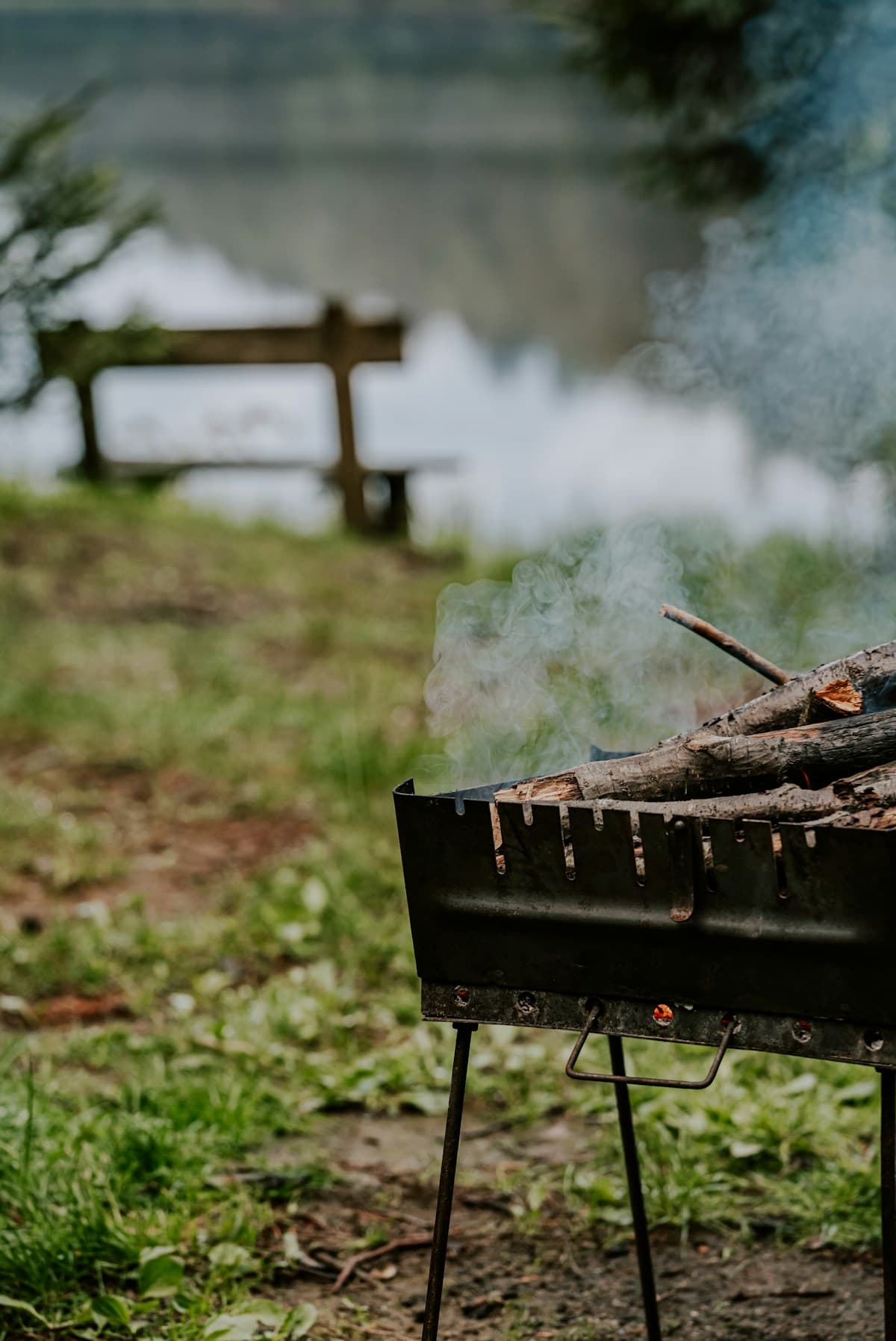
Smoked prime rib is the centerpiece cook -- the roast people plan holidays around, and one of the most expensive cuts you will ever put on a grill. That is exactly why the low-and-slow pellet grill method is the right way to cook it: smoking at 225 to 250°F cooks the roast gently and evenly from edge to edge, and a leave-in thermometer removes the guesswork. Follow this method and you will slice into wall-to-wall rosy medium-rare with a peppery, smoke-kissed crust.
This recipe is written for any pellet grill -- it works the same on a Traeger®, Pit Boss, Camp Chef, Z Grills, or any other brand, because the technique depends on temperature control, not the badge on the lid.
Choosing the Roast
Prime rib is sold as a standing rib roast (bone-in) or a boneless ribeye roast. Both work on a pellet grill.
- Bone-in (recommended): The bones act as a natural roasting rack and insulate the bottom of the roast. Figure about one bone (roughly 2 pounds) per two adults. A 3-bone roast in the 6-to-8-pound range feeds 6 to 8 people.
- Boneless: Slightly easier to slice and a little faster to cook. Ask the butcher to tie it so it holds a uniform shape.
A note on grading: "prime rib" refers to the cut, not the USDA grade. A Choice-grade rib roast is excellent; Prime-grade has more marbling if the budget allows. Look for even marbling and a consistent thickness from end to end.
The 24-Hour Dry Brine
This is the step that separates good prime rib from great prime rib, and it costs nothing but planning ahead.
The day before the cook, pat the roast dry and sprinkle kosher salt evenly over every surface -- about 1 teaspoon per pound. Set the roast on a wire rack over a sheet pan and refrigerate it uncovered for 24 hours.
Two things happen overnight:
- The salt seasons the interior. Salt draws moisture to the surface, dissolves, and is reabsorbed deep into the meat, seasoning the whole roast instead of just the exterior.
- The surface dries out. A dry surface browns dramatically better than a damp one. This is what makes the reverse sear at the end produce a real crust instead of a steamed gray exterior.
If you only have a few hours, salt as early as you can -- even 4 hours helps. But 24 hours is the target.
Seasoning and Setup
An hour before cooking, pull the roast out of the refrigerator so it is not ice cold in the center when it hits the grill. Rub it with olive oil or softened butter, then coat all sides with coarse black pepper, granulated garlic, and crushed rosemary. Skip additional salt -- the dry brine already handled it.
Fill the hopper with a bold, beef-friendly pellet. Hickory pellets are the classic choice for beef, and oak is equally good if you have it. For a slightly sweeter smoke, blend in some cherry pellets, which also deepen the color of the crust. For a full breakdown of which woods pair with which proteins, see our wood pellet flavor guide.
Set the grill to 225 to 250°F and preheat for 15 minutes with the lid closed. Either end of that range works: 225°F gives you a bit more smoke exposure and a slightly more even interior; 250°F shaves 30 to 45 minutes off the cook.
Smoking the Prime Rib
Place the roast on the grates fat cap up, bones down if bone-in. Insert a leave-in probe into the geometric center of the roast, making sure the tip is not touching bone (bone conducts heat differently and will give a false reading).
Close the lid and let the grill work. At 225 to 250°F, plan on roughly 35 to 40 minutes per pound:
| Roast Size | Approximate Smoke Time |
|---|---|
| 4 lbs (2 bones) | 2.5 - 3 hours |
| 6 lbs (3 bones) | 3.5 - 4 hours |
| 8 lbs (4 bones) | 4.5 - 5.5 hours |
Treat the table as a planning tool, not a stopwatch. The thermometer decides when the roast is done. A leave-in wireless probe like the MEATER Plus is ideal for a cook like this -- it tracks the internal temperature the entire time and alerts your phone as the roast approaches its pull temp, so the lid stays closed and the expensive roast never gets away from you. If you are shopping for one, our best wireless meat thermometer roundup compares the top options.
When to Pull: The Doneness Math
For medium-rare, pull the roast at 120 to 125°F. During the rest, carryover cooking raises the internal temperature another 5 to 10 degrees, landing at a final 130 to 135°F -- rosy, tender, medium-rare prime rib.
| Doneness | Pull Temp | Final Temp After Rest |
|---|---|---|
| Rare | 115 - 120°F | 125 - 130°F |
| Medium-rare | 120 - 125°F | 130 - 135°F |
| Medium | 130 - 135°F | 140 - 145°F |
For reference, the USDA recommends cooking whole beef roasts to a minimum internal temperature of 145°F with a 3-minute rest. Medium-rare is the traditional preference for prime rib, but if you are cooking for guests who want the USDA guideline, carve their portions from the ends of the roast, which run more done than the center, or cook to the medium row above.
If you plan to reverse-sear, pull at the low end -- around 118 to 120°F -- because the sear will add a few degrees of its own.
The Reverse Sear Finish
The reverse sear is optional, but it turns a soft, smoke-colored exterior into a proper crust.
- Pull the roast at 118 to 120°F and tent it loosely with foil on a cutting board.
- Crank the pellet grill to 450 to 500°F. Most grills need 10 to 15 minutes to get there, which conveniently doubles as part of the rest.
- Return the roast to the grates for 5 to 10 minutes total, rotating it every 2 to 3 minutes so every side takes direct heat.
- Watch the internal temperature. When the crust is deep brown and the center reads in the low 120s, you are done.
The 24-hour dry brine earns its keep here: the dried surface browns fast, before the interior has time to overcook.
Rest, Carve, Serve
Rest the roast, loosely tented with foil, for 20 to 30 minutes. This is not optional with a roast this size -- slicing early pours the juices onto the board, and the rest is when carryover cooking finishes the interior.
To carve a bone-in roast, run a long knife along the bones to remove them in a single slab, then slice the roast across the grain into 1/2- to 3/4-inch slices. Serve with horseradish cream, the reserved bones, and the juices from the board.
Troubleshooting
The roast is cooking faster than 35 minutes per pound. Smaller or thinner roasts, or a grill running hot, will move quicker. The probe matters more than the clock -- trust the temperature.
No crust after the smoke. The surface was damp (skipped or shortened dry brine), or you skipped the sear. Next time, commit to the full 24-hour uncovered refrigeration.
Center is medium but the edges are gray. The grill was likely running well above 250°F, or the roast went on refrigerator-cold. Low and slow plus a one-hour counter rest keeps the gradient tight.
If you enjoy this style of low-and-slow beef cook, a smoked chuck roast delivers a similar wood-fired beef experience for a fraction of the price, and a full packer brisket is the natural next challenge. For the fundamentals behind every cook in between, our complete pellet grill smoking guide covers temperatures, smoke, and timing for every major cut.
Gear for This Recipe
What an expensive roast actually leans on:
Bear Mountain Hickory Pellets (40 lb)
MEATER Plus Wireless Thermometer
Final Thoughts
Smoked prime rib on a pellet grill is a high-stakes cook with a low-stress method: salt a day ahead, smoke gently at 225 to 250°F, pull at 120 to 125°F, sear hot, and rest properly. The grill's steady temperature and the leave-in probe do the hard parts. Plan the timing, trust the thermometer, and carve with confidence.
Want the same technique on a smaller budget? Reverse sear steak on a pellet grill is this exact method on individual thick-cut steaks, and smoked leg of lamb applies it to the other great holiday roast.
Explore more: Complete Pellet Grill Smoking Guide | Wood Pellet Flavor Guide | All Recipes