
Smoked Chuck Roast Recipe: Poor Man's Brisket on the Traeger
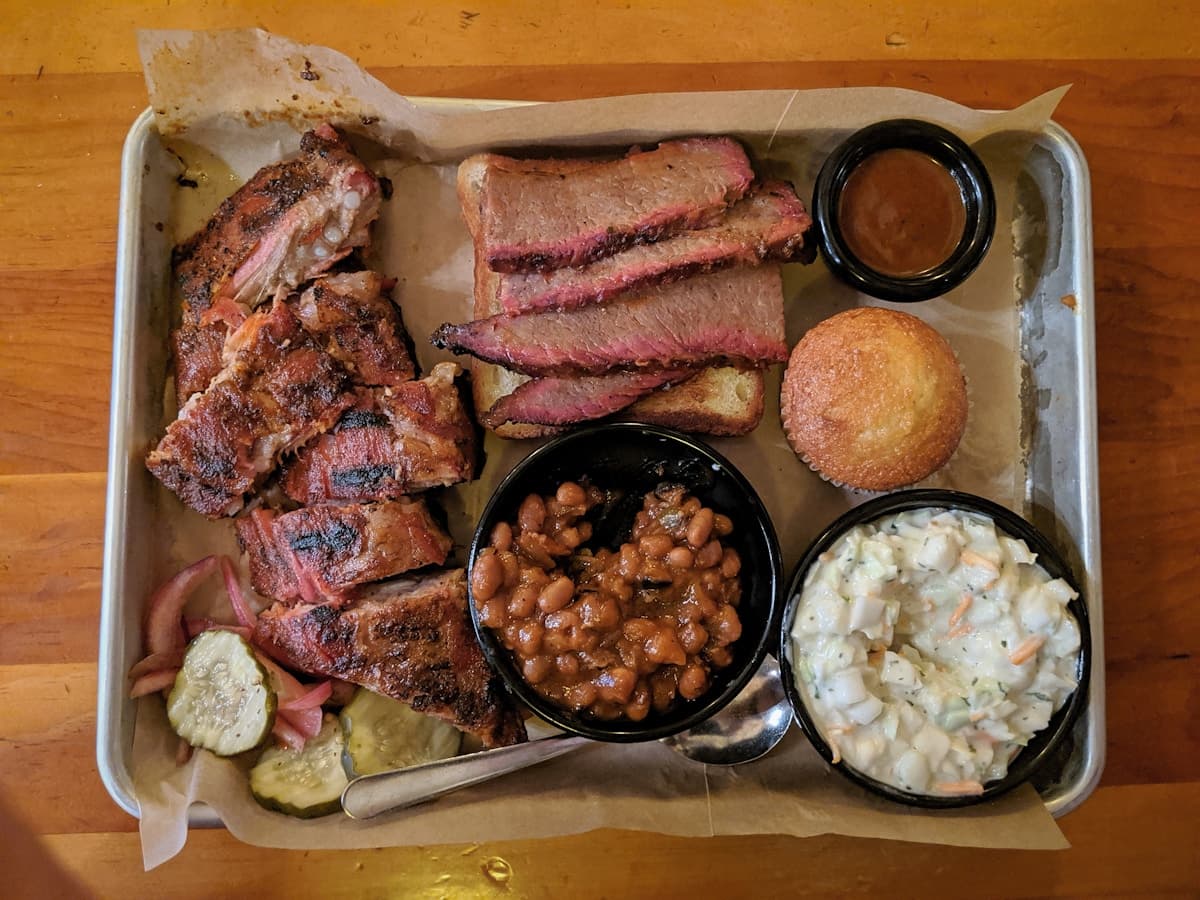
If you love the flavor and texture of smoked brisket but do not want to commit to a 14-hour cook, smoked chuck roast is the answer. Known as "poor man's brisket" in BBQ circles, a chuck roast delivers surprisingly brisket-like results in roughly half the time and at a lower cost per pound. The chuck comes from the shoulder area of the cow and is loaded with intramuscular fat and connective tissue that breaks down beautifully during a low-and-slow cook on a Traeger® pellet grill.
The technique mirrors brisket almost exactly — season with a simple SPG rub, smoke unwrapped until a bark forms, wrap at 165°F, and cook to probe-tender around 200 to 205°F. The main difference is that you will have dinner on the table in 6 to 8 hours instead of an entire day.
Why Chuck Roast Is Perfect for the Traeger
Chuck roast and pellet grills are a natural pairing:
- Heavy marbling — Chuck has excellent intramuscular fat that renders during the cook, keeping the meat moist and creating a buttery texture.
- High collagen content — The connective tissue in chuck breaks down into gelatin at around 200°F, just like brisket. This is what gives the finished product that silky, melt-in-your-mouth quality.
- Affordable — Chuck roast typically costs $5 to $7 per pound, compared to $7 to $12 per pound for a whole packer brisket. It is an excellent way to practice brisket technique without the financial risk.
- Manageable size — A 3 to 4-pound chuck roast feeds 6 to 8 people and fits on any Traeger® model. No need for a large grill.
- Shorter cook time — Done in 6 to 8 hours, making it a realistic weekday evening or Saturday cook.
Equipment You Will Need
- Traeger® Woodridge Pellet Grill — a great all-around grill for a roast this size
- Traeger® Hickory Hardwood Pellets — hickory gives beef a bold, traditional smoke flavor
- ThermoWorks Thermapen ONE — essential for the probe tenderness test
- MEATER Plus Wireless Thermometer — leave-in monitoring so you do not need to babysit the cook
- Traeger® Drip Tray Liners — catches drippings during the unwrapped smoke phase
- Pink butcher paper or heavy-duty aluminum foil
Ingredients
- 1 boneless chuck roast (3-4 lbs) — look for visible marbling and a thick, square shape. Chuck eye roast is the premium option.
- 2 tablespoons coarse black pepper — the same 16-mesh grind you would use for brisket.
- 1 tablespoon kosher salt
- 1 tablespoon granulated garlic
- 1 teaspoon onion powder
- 1 tablespoon yellow mustard — binder for the rub.
- 2 tablespoons butter — adds richness inside the wrap.
- 1/4 cup beef broth — creates a braising liquid in the wrap for extra moisture and flavor.
For a deeper dive into SPG rub ratios, see our best brisket rub recipe — the same rub works perfectly on chuck roast.
Step-by-Step Instructions
Step 1: Season the Chuck Roast (10 Minutes)
- Remove the chuck roast from its packaging and pat it completely dry with paper towels. Trim any loose pieces or excess external fat, but do not over-trim — the fat is your friend on this cook.
- Apply a thin, even coat of yellow mustard over all surfaces.
- Mix the coarse black pepper, kosher salt, granulated garlic, and onion powder together.
- Apply the rub generously on all surfaces, pressing it into crevices and folds.
- Let the seasoned roast sit at room temperature for 20 to 30 minutes while the grill preheats.
Pro tip: For even deeper flavor, season the chuck roast the night before and refrigerate uncovered. The dry brine penetrates the meat and the uncovered refrigerator air helps form a tacky pellicle that grabs smoke.
Step 2: Smoke at 225°F (3-4 Hours)
- Fill the hopper with hickory pellets. Mesquite is also excellent for beef if you prefer a bolder smoke profile.
- Set the Traeger® to 225°F and preheat for 10 to 15 minutes.
- Place the chuck roast directly on the grill grates.
- Insert a leave-in probe into the thickest part of the roast.
- Close the lid and smoke for 3 to 4 hours until the internal temperature reaches 165°F.
- During this phase, a dark mahogany bark will form on the outside of the roast. The bark should be firm and dry to the touch before you wrap.
If your Traeger® has Super Smoke mode, use it during this entire phase for maximum smoke penetration. Chuck roast is smaller than brisket, so the smoke window is shorter — make the most of it.
Step 3: Wrap at 165°F
- Remove the chuck roast from the grill when the internal temperature hits 165°F.
- Place the roast on a sheet of butcher paper (for a more brisket-like bark) or heavy-duty aluminum foil (for maximum tenderness).
- Place 2 tablespoons of butter, cut into pats, on top of the roast.
- Pour 1/4 cup of beef broth around the base of the roast.
- Wrap tightly, sealing all edges so no liquid escapes.
- Return the wrapped roast to the grill at 225°F, seam-side down.
The butter and beef broth create a braising environment inside the wrap that keeps the meat moist and adds rich flavor. This is one advantage chuck roast has over brisket — the smaller size means the braising liquid has a more concentrated effect.
Step 4: Cook to 200-205°F (2-4 Hours)
- Continue cooking the wrapped chuck roast at 225°F.
- The temperature will climb more quickly now that the stall is broken by the wrap.
- Begin checking for doneness when the internal temperature reaches 195°F.
- The target is 200 to 205°F, but the probe tenderness test is the real indicator. Use your Thermapen ONE to probe the roast — it should slide in with absolutely zero resistance.
- This phase typically takes 2 to 4 hours after wrapping.
Step 5: Rest and Serve (30-60 Minutes)
- Remove the wrapped chuck roast from the grill.
- Let it rest, still wrapped, for 30 minutes to 1 hour. Place it in a cooler if you want a longer rest.
- Unwrap the roast. Save all the collected juices — they are liquid gold.
- To slice (brisket-style): Identify the direction of the grain in the largest muscle group and slice against it in pencil-thick slices. The slices should hold together but be tender enough to pull apart with a gentle tug.
- To pull (shredded): If the roast is too tender to slice cleanly (this is a good problem), use two forks or a pair of meat claws to pull it apart into shreds.
- Pour the reserved juices over the sliced or shredded meat.
Serve on its own, on a bun as a sandwich, or alongside smoked mac and cheese for a complete BBQ meal.
Pro Tips for the Best Smoked Chuck Roast
- Choose a thick, square-shaped roast. Thin, flat chuck roasts dry out faster. A thicker roast has more surface-to-interior ratio, which means better bark development relative to the amount of meat.
- Do not skip the butter and broth in the wrap. Unlike brisket, which has a massive fat cap for self-basting, chuck roast benefits from the added moisture and richness of butter and broth inside the wrap.
- Season the night before if possible. An overnight dry brine makes a significant difference in flavor penetration for a smaller cut like chuck roast.
- The stall is shorter but still happens. Expect the temperature to plateau around 150 to 165°F for 1 to 2 hours (shorter than brisket due to the smaller mass).
- Rest is still essential. Even though the cook is shorter, a 30-minute rest makes a noticeable difference in juiciness and tenderness.
- Save the juices. The braising liquid from the wrap is concentrated beef-and-smoke flavor. Pouring it over the finished meat is the finishing touch that elevates the dish.
Variations to Try
Smoked Chuck Roast Burnt Ends
After the roast reaches 165°F, instead of wrapping the whole roast, cube it into 1.5-inch pieces. Toss the cubes with BBQ sauce, honey, and butter in a foil pan. Cover with foil and return to the grill at 275°F for 1.5 to 2 hours until probe-tender and sticky. This is a faster version of pork belly burnt ends using beef.
Mississippi Smoked Chuck Roast
Before wrapping, place the chuck roast on foil with a packet of ranch seasoning, a packet of au jus gravy mix, 4 pepperoncini peppers, and 4 tablespoons of butter. Wrap tightly and cook to 205°F. The result is tangy, buttery, and incredibly tender shredded beef.
Coffee-Rubbed Smoked Chuck Roast
Add 1 tablespoon of finely ground dark roast coffee and 1 teaspoon of cocoa powder to the SPG rub. The coffee and cocoa deepen the bark color and add complex, earthy undertones that complement the smoky beef.
Gear for This Recipe
What this cook actually leans on:
Bear Mountain Hickory Pellets (40 lb)
MEATER Plus Wireless Thermometer
ThermoWorks Thermapen ONE
Bryco Goods Pink Butcher Paper (18 in x 175 ft)
Frequently Asked Questions
Why is chuck roast called poor man's brisket?
Chuck roast earns the nickname because it produces a brisket-like result at a fraction of the cost and time. Chuck has excellent marbling and collagen that breaks down during a low-and-slow cook. A chuck roast costs about $5 to $7 per pound compared to $7 to $12 for brisket, and it cooks in 6 to 8 hours instead of 12 to 18.
Should I wrap a chuck roast in foil or butcher paper?
Both work well. Aluminum foil creates a tighter seal that traps more moisture, resulting in a more tender, pot-roast-like texture. Butcher paper allows some moisture to escape, preserving more bark and producing a result closer to actual brisket. For the most brisket-like experience, use butcher paper.
Can I slice a smoked chuck roast like brisket?
Yes, but with a caveat. Chuck roast has multiple grain directions because it comes from the shoulder with several muscle groups. Slice against the grain of the largest muscle group. If the roast falls apart too easily to slice, pull it instead and serve shredded.
What internal temperature should a smoked chuck roast reach?
The target is 200 to 205°F, the same as brisket. At this temperature, the collagen has fully broken down into gelatin, making the meat tender and moist. A thermometer probe should slide into the roast with zero resistance.
What is the best cut of chuck roast for smoking?
Look for a boneless chuck roast that is 3 to 4 pounds with visible marbling throughout. Thicker, more square-shaped roasts cook more evenly. Chuck eye roast is the premium option with the best marbling. Avoid pre-sliced chuck steaks, which are too thin for smoking.
Hickory Pellets: Bold Smoke for Beef
Traeger Hickory Hardwood Pellets deliver the bold, traditional smoke flavor that beef demands. The perfect match for chuck roast, brisket, and all your beef cooks.
What to Cook Next
Loved the poor man's brisket? Take your beef smoking skills further:
- Traeger Brisket Recipe — Ready for the real thing? Our complete brisket guide covers everything from trimming to slicing.
- How Long to Smoke a Brisket — Plan your cook with our detailed timing tables.
- Smoked Tri-Tip on Traeger — A reverse-seared tri-tip is another excellent beef option that cooks in under 3 hours.
- Smoked Chili on a Pellet Grill — Smoke a chuck roast to 165°F, cube it, and let it finish in the pot.
- Smoked Beef Ribs (Dino Ribs) — The next step up in beef, finished on feel exactly like this one.
- Best Brisket Rub Recipe — The same SPG rub works beautifully on chuck roast.
Browse all of our Traeger® recipes for more inspiration.
Explore more: Traeger Recipe Collection | Best Wood Pellets for Brisket | All Recipes