
How to Clean a Traeger Grill: Complete Step-by-Step Guide
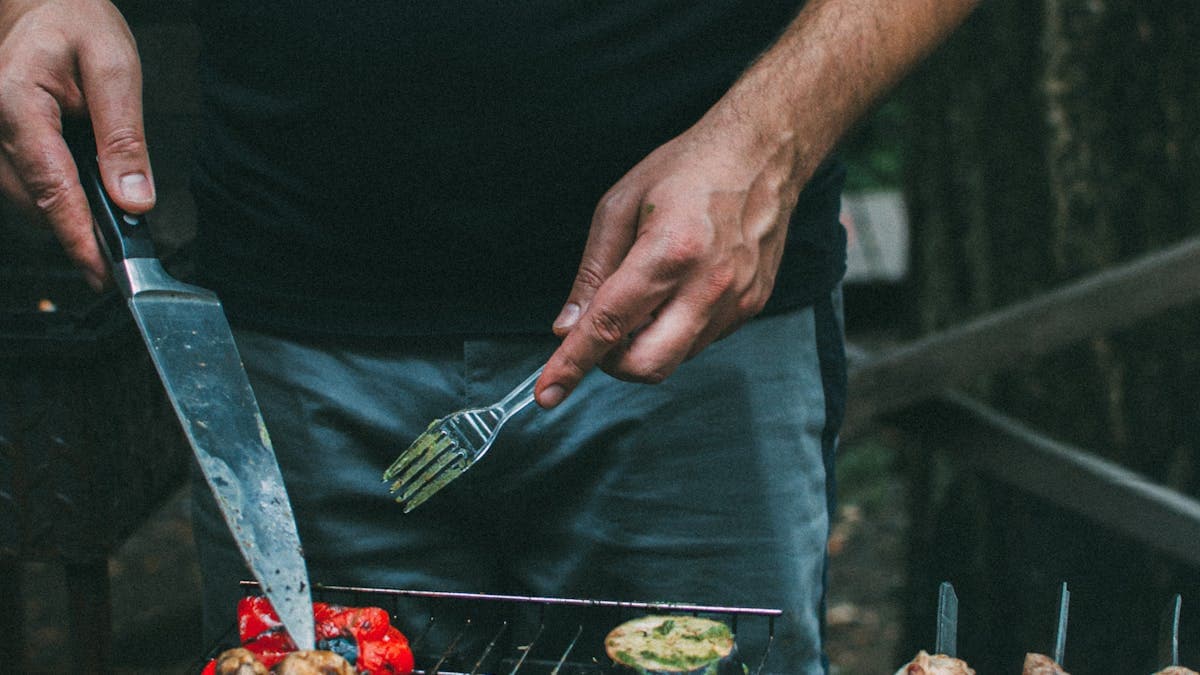
Knowing how to clean a Traeger grill is one of the most important skills you can develop as a pellet grill owner. Traeger® grills are built to last, but grease buildup, ash accumulation, and neglected drip trays can lead to grease fires, temperature swings, poor smoke flavor, and premature wear on critical components like the fire pot and auger.
The good news: cleaning a Traeger is straightforward. A routine clean after every few cooks takes about 15 minutes. A thorough deep clean takes 30-45 minutes and only needs to happen every 20-25 cooks. This guide walks you through both processes with exact steps, the supplies you need, and a clear schedule so you always know when it is time to clean.
Why Cleaning Your Traeger Matters
Skipping regular cleaning does more than just make your grill look rough. Here is what actually happens when grease and ash build up inside a pellet grill:
- Grease fires. This is the number one risk. Grease pools on the drip tray and drip pan, and once it reaches a critical mass, a flare-up during a high-heat cook can ignite it. Traeger grease fires are almost always caused by a dirty drip tray — not by a defective grill.
- Temperature inconsistency. Ash buildup in the fire pot restricts airflow around the igniter rod. When airflow is blocked, the fire pot cannot maintain a consistent burn. You will see temperature swings of 25-50°F that make low-and-slow cooks unreliable.
- Off flavors. Old grease and carbonized food residue produce bitter, acrid smoke that taints everything you cook. If your food has developed an unpleasant aftertaste, a dirty grill is the most likely culprit.
- Auger and fan problems. Ash and debris can migrate into the auger tube or clog the induction fan. Both repairs are avoidable with basic maintenance.
- Shortened grill lifespan. Corrosion from trapped moisture and acidic grease eats through sheet metal over time. A clean, dry grill lasts years longer than a neglected one.
Supplies You Will Need
Gather these before you start. Having everything ready makes the process quick and painless:
- Traeger Grill Brush — a nylon bristle brush is safer than wire (no risk of bristles ending up in food)
- Traeger Drip Tray Liners — these catch grease so you can simply swap the liner instead of scraping the tray
- A shop vacuum or ash vacuum (regular household vacuums cannot handle hot ash safely)
- Disposable gloves — see our best BBQ gloves picks for the nitrile-over-liner setup that keeps ash and old grease off your hands
- Paper towels or clean rags
- A plastic putty knife or paint scraper (for stubborn grease on the drip tray)
- Warm soapy water (dish soap works fine)
- A food-safe grill degreaser (optional, for deep cleans — see our picks that cut grease without harming the coating)
Important: Never use oven cleaner, harsh chemical degreasers, or abrasive steel wool on the interior of your Traeger. These can damage the paint coating and leave chemical residues that affect food safety and flavor.
Regular Cleaning: After Every 2-3 Cooks
This is your routine maintenance. It takes 10-15 minutes and keeps your Traeger running smoothly between deep cleans.
Step 1: Let the Grill Cool (But Not Completely)
After your cook, run the shutdown cycle and let the grill cool until it is warm to the touch but not hot — roughly 30-45 minutes. Cleaning a slightly warm grill is actually easier because grease has not fully hardened yet.
Step 2: Brush the Grates
Open the lid and use your Traeger grill brush to scrub the grill grates thoroughly. Brush in the direction of the grate bars. For porcelain-coated grates, a nylon brush prevents chipping. For bare stainless steel grates, a brass brush also works well.
If food is stuck hard, lay a damp cloth over the grate for 5 minutes to steam the residue loose, then brush again.
Step 3: Remove and Replace the Drip Tray Liner
Pull out the drip tray and peel off the old drip tray liner. If you are not using liners, scrape the drip tray with a plastic putty knife to remove solidified grease, then wipe it clean with paper towels.
Replace with a fresh liner. This single step prevents the majority of grease fires.
Step 4: Empty the Grease Bucket
Pull out the grease bucket (located on the side or rear of the grill depending on your model) and dispose of the grease. Do not pour grease down a drain — it will solidify and cause plumbing problems. Instead, pour it into a disposable container lined with paper towels, let it solidify, and throw it in the trash.
Wipe the inside of the bucket with a paper towel and replace it.
Step 5: Quick Vacuum of the Fire Pot
With the grates and drip tray removed, you have a clear view of the fire pot. Use a shop vacuum to remove ash and debris from the fire pot and the bottom of the grill barrel. This takes 60 seconds and makes a meaningful difference in temperature consistency.
Tip: If you do not have a shop vacuum handy, you can scoop ash out with a small metal cup or trowel. Just make sure the ash is completely cool.
Deep Cleaning: Every 20-25 Cooks
A deep clean addresses every component of the grill. Plan on 30-45 minutes. Do this at the start or end of a season, or whenever you notice performance issues.
Step 1: Remove All Internal Components
With the grill completely cool, remove the following in order:
- Grill grates
- Drip tray and drip tray liner
- Heat baffle (the metal plate that sits above the fire pot)
Set these aside on newspaper or a drop cloth.
Step 2: Vacuum the Entire Interior
Use a shop vacuum to thoroughly clean the inside of the grill barrel, including:
- The fire pot (remove all ash)
- The bottom of the barrel
- Around the auger tube opening
- The chimney cap area
- Any ledges or crevices where ash and grease collect
Step 3: Scrape the Interior Walls
Use a plastic scraper or putty knife to gently scrape the inside walls and lid of the barrel. You will see layers of hardened grease and smoke residue flaking off — this is normal and sometimes mistaken for paint peeling. It is actually carbonized grease, and removing it prevents it from dropping onto your food.
After scraping, vacuum up the debris.
Step 4: Clean the Grates Thoroughly
Soak the grill grates in warm, soapy water for 15-20 minutes. Then scrub with your grill brush. For stubborn buildup, use a food-safe degreaser spray. Rinse completely with clean water and dry with a towel.
Step 5: Clean the Drip Tray and Heat Baffle
Scrape both components with a plastic scraper to remove grease. Wash with warm soapy water, rinse, and dry. Inspect the drip tray for any holes or excessive corrosion — replace it if you see damage.
Step 6: Clean the Chimney
Remove the chimney cap and use a long brush or rolled-up paper towel to clean the inside of the chimney pipe. Grease and creosote build up here and can restrict exhaust airflow, which causes excessive smoke and temperature issues.
Step 7: Wipe Down the Exterior
Use a damp cloth with mild soap to wipe down the outside of the grill, including the hopper lid, control panel area (avoid getting water inside electronics), and legs. Dry completely to prevent surface rust.
Step 8: Reassemble and Season
Replace the heat baffle, drip tray (with a fresh liner), and grill grates. Run the grill at 350°F for 15-20 minutes to burn off any moisture and re-season the interior surfaces.
How Often Should You Clean a Traeger?
Here is a quick reference:
| Task | Frequency |
|---|---|
| Brush grill grates | After every cook |
| Replace drip tray liner | Every 2-3 cooks |
| Empty grease bucket | Every 2-3 cooks |
| Vacuum fire pot | Every 3-5 cooks |
| Full deep clean | Every 20-25 cooks |
| Inspect chimney | Every deep clean |
| Check gaskets/seals | Every deep clean |
| Exterior wipe-down | Monthly |
If you cook frequently (3+ times per week), you will need to deep clean more often. If you only grill on weekends, every 20-25 cooks may span a full season. Adjust based on your usage.
For a complete maintenance plan that covers everything beyond cleaning, check out our Traeger maintenance schedule.
Common Cleaning Mistakes to Avoid
- Using a wire brush on porcelain grates. Wire bristles chip the coating and can break off into your food. Use nylon or brass brushes instead.
- Cleaning with the grill fully hot. Warm is fine. Hot is dangerous — you risk burns and the grease is more volatile when the grill is at temperature.
- Ignoring the fire pot. The fire pot is the most critical component to keep clean. A clogged fire pot is the leading cause of temperature problems and failed ignition.
- Pressure washing the interior. High-pressure water forces moisture into electrical connections, the auger motor, and the control board. Never pressure wash a Traeger.
- Skipping the drip tray. Even with liners, grease can seep around the edges. Check the actual tray surface during deep cleans.
Frequently Asked Questions
Can I put Traeger grill grates in the dishwasher?
It depends on the grate material. Porcelain-coated grates should not go in the dishwasher because the harsh detergents can degrade the coating over time. Stainless steel grates can technically survive a dishwasher cycle, but hand washing with soapy water and a grill brush is more effective at removing baked-on grease and gives you better control.
What is the black stuff flaking off the inside of my Traeger lid?
That is not paint. It is layers of carbonized grease and smoke residue that have built up over multiple cooks. It is a sign that the interior needs a deep clean. Scrape it off with a plastic putty knife, vacuum the debris, and you are good to go. This is completely normal and happens on all pellet grills and smokers.
How do I clean the temperature probe inside my Traeger?
The RTD temperature probe is the small metal rod mounted inside the grill barrel. Gently wipe it with a damp cloth. Do not bend it, scrape it with metal tools, or submerge it in water. A dirty probe gives inaccurate temperature readings, so keeping it clean ensures your grill holds the temperature you set.
Should I oil my Traeger grill grates after cleaning?
Yes, lightly oiling the grates after a deep clean helps prevent rust and creates a non-stick surface. Apply a thin coat of high-smoke-point oil (canola, avocado, or vegetable oil) with a paper towel. You do not need to do this after every routine clean — just after deep cleans or if the grates look dry.
Can I use aluminum foil instead of drip tray liners?
You can, but it is not ideal. Aluminum foil does not conform to the tray as well as purpose-made liners, which means grease can pool in wrinkles and overflow. Traeger drip tray liners are pre-formed to fit the tray exactly, and they are heavy enough to stay in place. The small cost is worth the convenience and safety benefit.
Keep Your Traeger Spotless
Stock up on Traeger grill brushes and drip tray liners — the two supplies you will use the most for routine cleaning. A clean grill means better flavor on every cook.
Related Guides
A clean grill is just the starting point. Make sure your entire maintenance routine is dialed in:
- Traeger Maintenance Schedule — The complete checklist for keeping your Traeger in peak condition year-round.
- Traeger Drip Tray Liners: Fitment Guide — The cheapest way to skip most of this job: which BAC part number fits your grill, plus grease keg liners for the newer models.
- How to Season a New Traeger — Just got a new grill? Here is how to do the initial burn-in properly before your first cook.
- Traeger Smoked Chicken Thighs — Put that freshly cleaned grill to work with this easy weeknight recipe.
Cleaning the grease path is also the only real defence against a fire — our pellet grill grease fire guide covers prevention and what to do if one starts.
Explore more: Complete Smoking Guide | Traeger Maintenance Schedule | How to Season a New Traeger | All Guides