
Traeger Pellets Review: Are Traeger's Own Pellets Worth Buying?
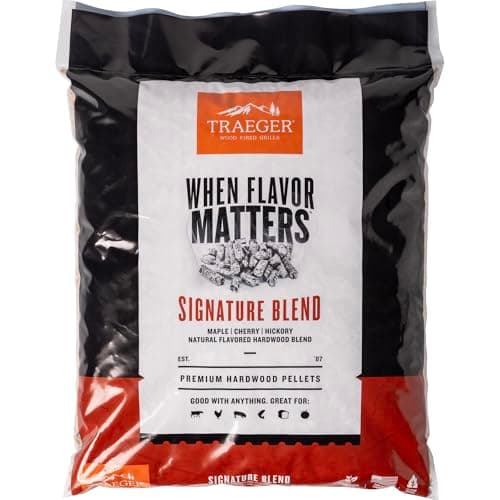
Traeger® sells more wood pellets than any other brand in the pellet grill industry, which makes sense — they sell more pellet grills than anyone else, and most Traeger® owners start with the pellets they see right next to the grill at the store. But are Traeger® pellets actually good, or are you paying a brand premium for average wood?
After extensive research across five Traeger® pellet varieties, our verdict is that Traeger® pellets are genuinely high quality — consistent burn, low ash, clean smoke, and accurate flavor profiles. They are also among the most expensive pellets on the market, which raises the obvious question: do you need to spend that much?
This review covers the complete Traeger® pellet lineup, breaks down what you are paying for, compares them honestly against third-party alternatives, and tells you exactly when the premium is justified and when you should save money.
Are Traeger Pellets Worth It?
Yes, with a caveat on price.
Traeger® pellets are a premium product that delivers premium results. They burn cleanly, produce minimal ash, and provide authentic wood flavor that matches the label. The consistent pellet diameter means reliable feeding through the auger with no jams or bridging issues. In terms of pure quality, they are among the best pellets available.
The caveat is cost. Traeger® pellets typically run $18-$22 for a 20-pound bag at retail, compared to $12-$16 for comparable quality from brands like Lumberjack, Bear Mountain, and CookinPellets. Over a year of regular grilling (weekly cooks), that price difference adds up to $150-$300 in extra pellet spending.
Our recommendation: Use Traeger® pellets when you want guaranteed quality and do not want to think about it. Consider quality third-party alternatives when you grill frequently and the annual pellet budget starts to add up. Either way, always buy 100% hardwood pellets — never cheap pellets with fillers.
The Complete Traeger Pellet Lineup
Traeger® currently sells pellets in the following flavors, all available in 20-pound bags:
| Flavor | Wood Species | Intensity | Best For |
|---|---|---|---|
| Signature Blend | Maple, Hickory, Cherry | Medium | Everything — the all-purpose choice |
| Hickory | Hickory | Medium-Strong | Beef, pork, ribs, brisket |
| Mesquite | Mesquite | Strong | Beef, Tex-Mex, steaks, burgers |
| Cherry | Cherry | Medium-Mild | Pork, poultry, ham, ribs |
| Apple | Apple | Mild | Poultry, fish, vegetables, cheese |
Traeger® also produces seasonal and limited varieties (Pecan, Alder, and specialty blends), but the five listed above are the permanent lineup available year-round. For a broader comparison of wood flavors including non-Traeger options, see our complete wood pellet flavor guide.
Traeger Pellet Quality: What Sets Them Apart
Not all pellets are created equal, and understanding the quality differences explains why Traeger® charges a premium.
100% Pure Hardwood
Every Traeger® pellet variety is made from 100% species-specific hardwood. When you buy Traeger® Hickory, you get hickory wood — not an oak base with hickory flavoring sprayed on top.
This matters because some budget pellet brands use a core of cheap hardwood (usually oak or alder) with a thin outer layer of the advertised flavor wood. The result is pellets that technically contain the named species but produce a fraction of the authentic flavor. Traeger® does not do this.
Consistent Pellet Diameter
Traeger® pellets have remarkably uniform diameter and length. This consistency matters for two reasons:
- Reliable auger feeding — Uniform pellets feed smoothly through the auger tube without jamming. Pellets with inconsistent sizing are more likely to bridge in the hopper or jam in the auger.
- Predictable burn rate — Consistent pellet density means the fire pot receives a uniform fuel supply, which translates to steadier temperatures.
Low Ash Output
High-quality pellets produce minimal ash. Traeger® pellets consistently produce less ash per pound than most competitors, which means:
- Less frequent fire pot cleaning
- Better airflow in the fire pot for consistent combustion
- Less ash flavor transferring to your food
- Longer intervals between deep cleans
Kiln-Dried Moisture Content
Traeger® pellets are kiln-dried to a low moisture content (typically under 10%) before packaging. Low moisture means:
- Higher BTU output per pound (more heat, less steam)
- Cleaner combustion with less white smoke
- Better shelf stability when stored properly
- Reduced risk of mold or degradation in the bag
Flavor-by-Flavor Breakdown
Signature Blend — The All-Purpose Champion
Traeger® Signature Blend PelletsComposition: A proprietary mix of maple, hickory, and cherry hardwoods.
Flavor profile: Balanced and versatile. The hickory provides a savory backbone, cherry adds mild sweetness, and maple rounds everything out with a subtle, clean smoke. It is not as bold as pure hickory or as sweet as pure cherry — it sits squarely in the middle, which is exactly the point.
What we found: Signature Blend is genuinely the best all-purpose pellet we have reviewed from any brand. It works with every protein, at every temperature, for every cooking style. If you only buy one bag of pellets ever, buy this one.
Best for: Literally everything. Chicken, pork, beef, fish, vegetables, pizza, baking, smoking, grilling. This is the bag to keep in the hopper as your default.
When to choose something else: When you want a specific, pronounced flavor profile. If you want bold hickory bark on a brisket, use pure hickory. If you want delicate fruit smoke on salmon, use apple. The Signature Blend is a jack of all trades — excellent at everything, but not the maximum expression of any single flavor.
Hickory — Bold and Classic
Traeger® Hickory PelletsFlavor profile: Bold, savory, and slightly sweet with the quintessential American BBQ smoke character. If you have ever eaten smoked ribs at a Texas BBQ joint, you know hickory.
What we found: Traeger® Hickory pellets deliver a clean, strong hickory flavor without the bitterness that can accompany lower-quality hickory products. The smoke is bold but not overpowering at normal smoking temperatures (225-275°F). At higher temperatures (350°F+), the smoke impact diminishes as burn rate increases and less smoke is produced.
Best for: Beef brisket, pork ribs, pork shoulder, burgers, beef jerky. Hickory is the default pellet for traditional low-and-slow barbecue. For our detailed analysis, see best wood pellets for brisket.
Caution: On very long cooks (16+ hours), pure hickory can push toward bitterness. For full packer briskets that will run 14-16 hours, consider blending 70% hickory with 30% cherry or oak to keep the flavor clean through the entire cook.
Mesquite — Maximum Intensity
Traeger® Mesquite PelletsFlavor profile: Intense, earthy, and assertive with a distinctive Southwestern character. Mesquite is the strongest-flavored wood in common use and polarizes people more than any other variety.
What we found: Traeger® Mesquite pellets deliver genuine mesquite flavor — there is no mistaking this for anything else. The intensity is appropriate for pellet grilling, which produces lighter smoke than offset or charcoal smoking. You get bold mesquite character without the overwhelming bitterness that pure mesquite can produce in a stick burner.
Best for: Steaks, beef fajitas, burgers, Tex-Mex proteins, and short high-heat cooks where you want maximum smoke impact in minimal time. Mesquite is also excellent for jerky, where its bold flavor carries through the drying process.
Caution: Do not use pure mesquite for cooks longer than 8-10 hours unless you are certain you enjoy the intensity. For long cooks, blend 50/50 with oak or Signature Blend. Avoid mesquite entirely for delicate proteins like fish, chicken breast, and vegetables — it will overpower them.
Cherry — Mild and Sweet
Traeger® Cherry PelletsFlavor profile: Medium-mild, subtly sweet, and fruity. Cherry produces a clean, pleasant smoke that enhances without dominating. It also imparts a slightly reddish tint to the bark of smoked meats, which is prized for presentation.
What we found: Traeger® Cherry pellets are our favorite fruit wood in their lineup. The sweetness is present but restrained — it adds a layer of complexity to pork and poultry without making the meat taste like dessert. The color enhancement on smoked ribs and pork shoulder is noticeable and attractive.
Best for: Pork (ribs, shoulder, chops, ham), poultry, smoked salmon, and any cook where you want a touch of sweetness. Cherry is also the best blending partner in the Traeger® lineup — 50/50 cherry and hickory is one of the most popular competition blends for ribs.
Also great for: Smoked cheese, nuts, and anything where light smoke is preferable to heavy.
Apple — Light and Fruity
Traeger® Apple PelletsFlavor profile: Mild, light, and subtly fruity. Apple is the gentlest of the Traeger® pellet flavors, producing a delicate smoke that adds just a whisper of flavor.
What we found: Apple pellets are the right choice when you want a hint of smoke without changing the fundamental character of the food. On chicken breast, the apple smoke is barely there — just enough to distinguish it from oven-roasted. On smoked chicken thighs, the slightly higher fat content carries the apple flavor better and the results are excellent.
Best for: Poultry (especially whole turkey and chicken thighs), fish (salmon, trout, whitefish), vegetables, cheese, and baking. Apple is also the safest choice when cooking for guests who may not enjoy heavy smoke flavor.
When to choose something else: When you want noticeable smoke flavor on red meat. Apple gets completely lost on brisket and beef cuts. For pork ribs, cherry is a better fruit wood choice because it has more presence.
Traeger Pellets vs Third-Party Pellets
Here is the honest comparison Traeger® probably would prefer we did not make.
| Factor | Traeger® Pellets | Lumberjack | Bear Mountain | CookinPellets |
|---|---|---|---|---|
| Price (20 lb) | $18-$22 | $12-$16 | $12-$15 | $14-$18 |
| 100% Hardwood | Yes | Yes | Yes | Yes |
| Ash Output | Very Low | Low | Low-Medium | Low |
| Flavor Accuracy | Excellent | Excellent | Good | Very Good |
| Consistency | Excellent | Very Good | Good | Very Good |
| Availability | Excellent | Good | Good | Fair |
| Flavor Variety | 5+ flavors | 10+ flavors | 6+ flavors | 4+ flavors |
The truth is that quality third-party pellets like Lumberjack perform very close to Traeger® pellets at 30-40% less cost. In blind taste tests, most people cannot distinguish between Traeger® Hickory and Lumberjack Hickory on the same cut of meat.
Where Traeger® pellets genuinely win:
- Consistency. Bag-to-bag consistency is slightly better with Traeger®, meaning fewer surprise variations in burn rate or flavor intensity.
- Availability. Traeger® pellets are available at Home Depot, Costco, Ace Hardware, and virtually every store that sells grills. Lumberjack and CookinPellets can be harder to find locally.
- Low ash. Traeger® pellets consistently produce less ash than competitors, meaning slightly less maintenance.
Where third-party pellets win:
- Price. You save $6-$8 per bag, which adds up quickly if you grill weekly.
- Flavor variety. Lumberjack offers over 10 varieties including unique options like Competition Blend, Pecan Blend, and Char Hickory that Traeger® does not match.
- Larger format bags. Some brands sell 40-pound bags at better per-pound pricing.
Our take: Buy Traeger® pellets when convenience and guaranteed quality matter. Buy Lumberjack or Bear Mountain when you grill frequently and want to save money without sacrificing much quality. Avoid no-name pellets with unknown wood sources — the savings are not worth the inconsistency and potential off-flavors. For the specific third-party bags worth switching to, see our best wood pellets for smoking roundup, which ranks six current options by what each brand discloses about its wood mix and by cost per pound.
Best Pellet Pairings by Protein
Use this table as a quick reference for your next cook:
| Protein | Best Pellet | Runner-Up | Avoid |
|---|---|---|---|
| Brisket | Hickory | Mesquite/Oak blend | Apple, Alder |
| Pork Ribs | Cherry | Hickory/Cherry blend | Mesquite |
| Pork Shoulder | Hickory | Cherry | Mesquite (for long cooks) |
| Chicken | Apple | Cherry | Mesquite |
| Turkey | Apple | Cherry/Maple | Mesquite |
| Salmon | Alder | Apple | Hickory, Mesquite |
| Burgers | Mesquite | Hickory | Apple (too subtle) |
| Everything | Signature Blend | Hickory | — |
For a deeper exploration of flavor pairings, our wood pellet flavor guide covers every wood species in detail. And if brisket is your focus, our best pellets for brisket guide ranks the top five woods specifically for long beef smokes.
How to Store Pellets
Moisture is the enemy of wood pellets. Proper storage is the single most important thing you can do to protect your pellet investment, regardless of brand.
Storage rules:
- Keep pellets dry. Store in a sealed container, bucket with a lid, or resealable bag. Never leave an open bag in the garage where humidity can reach it.
- Store off the ground. Place containers on a shelf or pallet, not directly on a concrete floor. Concrete wicks moisture upward.
- Keep away from heat sources. Do not store pellets next to a water heater, furnace, or in direct sunlight. Heat promotes moisture cycling.
- Empty the hopper after cooking if you live in a humid climate or will not be grilling for a week or more. Pellets left in the hopper can absorb moisture through the exhaust vent and lid gap.
- Use the snap test before any cook. Grab a pellet and snap it in half. Good pellets break cleanly with a crisp snap. Bad pellets crumble, bend, or feel soft. If they fail the test, replace them.
Pro tip: A 5-gallon bucket with a gamma seal lid is the best storage container for pellets. It is airtight, stackable, easy to pour from, and costs under $15. You can fit exactly 20 pounds of pellets in one bucket.
Our Recommendation
Traeger® pellets are a high-quality product that deserves its reputation. They burn clean, produce minimal ash, and deliver accurate flavor profiles. If you want a no-research-required pellet purchase, buy Traeger® and you will be satisfied every time.
For regular grillers who go through 2-4 bags per month, the cost savings of quality third-party alternatives like Lumberjack are hard to ignore. You are not sacrificing much — maybe 5-10% of the consistency — while saving 30-40% on your pellet budget.
Either way, the most important rule is this: always use 100% hardwood pellets from a reputable manufacturer. Brand matters far less than quality. Cheap pellets with fillers, softwood, or binding agents will produce more ash, less flavor, and more maintenance headaches than any quality pellet, Traeger® or otherwise.
If you are just getting started, grab a bag of Traeger® Signature Blend — it works with everything and removes the guesswork entirely. For our complete pellet recommendations by category, including third-party options, see our best pellets for Traeger grills buying guide.
Stock Up on Traeger Pellets
Traeger Signature Blend is the all-purpose pellet that works with every protein and every cooking style. Start here.
Explore more: Complete Smoking Guide | Best Pellets for Traeger | Wood Pellet Flavor Guide | All Guides