
How to Get a Smoke Ring on a Pellet Grill (And Why Yours Is Thin)
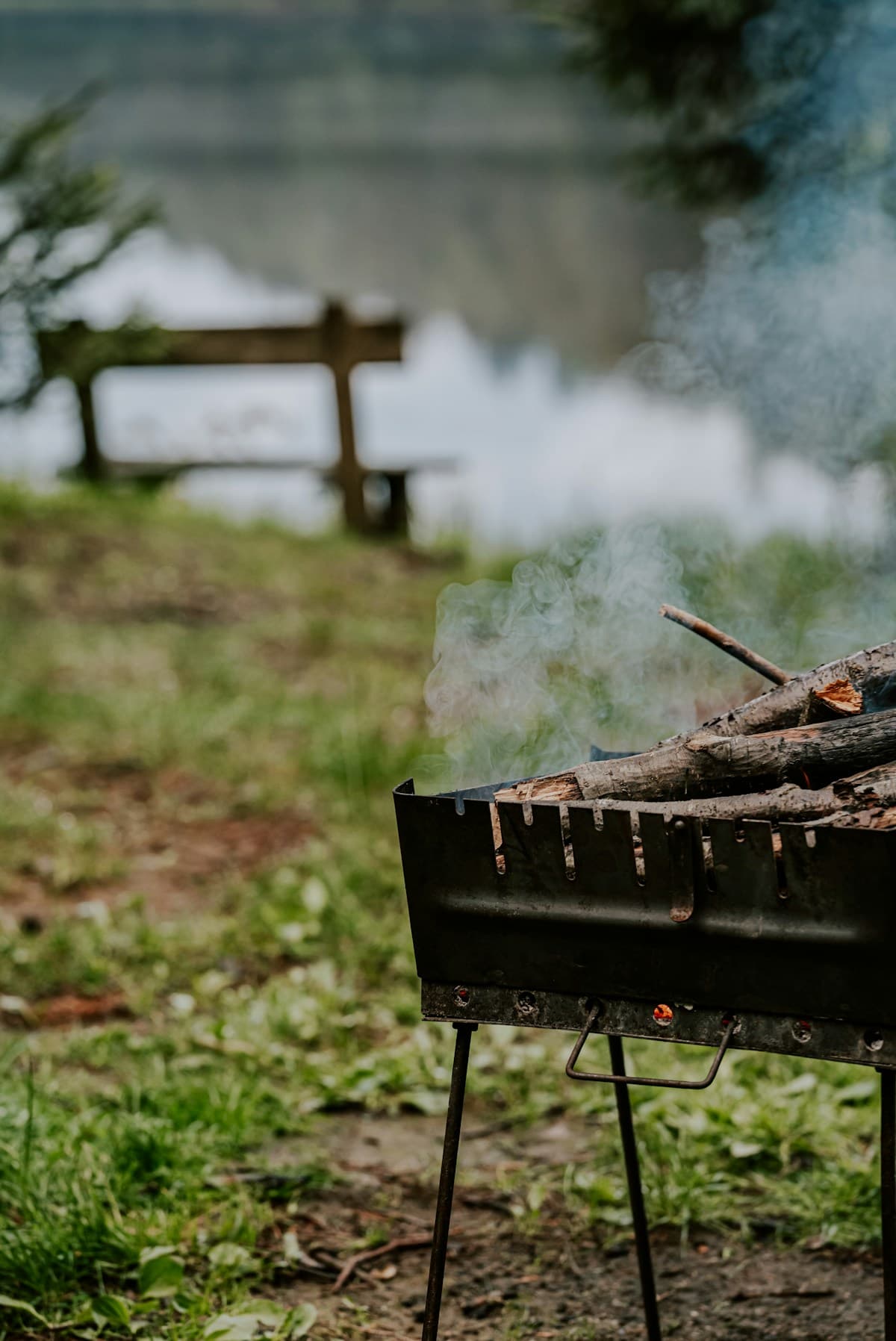
Short answer: pellet grills do produce smoke rings, they produce thinner ones than charcoal for a real physical reason, and the seven levers below are the only ones that actually move it. Also — and this matters more than any of them — the ring has nothing to do with how the meat tastes.
Let us get the second part out of the way first, because it changes how much you should care about the first part.
What a Smoke Ring Actually Is
It is not smoke. Smoke particles do not penetrate meat.
The ring is a chemical reaction. Combustion produces nitric oxide and carbon monoxide. Those gases dissolve into the moisture on the meat's surface and migrate a short distance inward, where they bond with myoglobin — the protein that makes raw red meat red — and form a compound that stays pink even after cooking. The sharp edge of the ring is simply the depth the gases reached before the myoglobin behind it got hot enough to denature.
Three consequences follow directly from that mechanism, and they explain every piece of advice in this guide:
- It is a surface-moisture reaction. A dry surface has nowhere for the gases to dissolve.
- It has a deadline. Past roughly 140-170°F at the surface, myoglobin stops reacting. Everything that helps is about extending the time the meat spends below that.
- It requires incomplete combustion. Nitric oxide is a product of a dirty fire. A clean fire makes less of it.
That third one is the whole pellet grill story.
Why Pellet Grills Make Thinner Rings
A modern PID-controlled pellet grill is an efficient combustion appliance. It meters fuel precisely, forces air with a fan, and burns pellets about as completely as wood can be burned. That is why pellet grills produce clean smoke, hold temperature within a few degrees, and taste "cleaner" than an offset.
It is also exactly why the ring is thinner. Complete combustion produces less nitric oxide. An offset burning splits, or a charcoal pit, runs a dirtier fire by design — more nitric oxide, thicker ring, and a bolder, less consistent smoke flavor to go with it.
This is a genuine trade, not a defect, and we cover it honestly in our pellet grill vs charcoal comparison: a pellet brisket and a charcoal brisket, side by side, differ in bark thickness, ring depth and smoke intensity — and the pellet one is far more repeatable.
So: thin ring, clean smoke, predictable results. If you want the ring thicker, you are deliberately making the fire's output less clean near the meat, or you are buying more time in the reaction window. Those are the only two mechanisms available.
The Seven Things That Actually Work
1. Put the meat on cold — straight from the fridge
The single highest-return change, and it costs nothing. A brisket at 38°F spends far longer below the 140°F surface deadline than one that sat on the counter for an hour. Do not let meat come to room temperature before smoking. Trim it cold, rub it cold, put it on cold.
2. Keep the surface wet
Nitric oxide has to dissolve in surface moisture to get anywhere. A dry, crusted surface in the first two hours is a thin ring.
Spritz with water, apple juice or a 50/50 water-vinegar mix every 45 minutes or so for the first three hours. After that it is about bark, not ring. This is also why a wet brine or a mustard binder tends to help.
3. Run low for the first three hours
The chamber temperature controls how fast the surface climbs through the window. 180-225°F for the first three hours, then push up if you want to finish faster. Traeger's Super Smoke mode (on the Woodridge Pro and above) and Weber's SmokeBoost at 180°F are both built for exactly this phase. Our smoking time and temperature chart has the targets by cut.
4. Add a smoke tube
A tube of smouldering pellets on the grate burns far less completely than the firepot does, and incomplete combustion is the source of the gases the reaction needs. It is the most commonly recommended lever for exactly this reason, and it has a second benefit that is easier to verify: it measurably increases smoke flavor.
Light it at the start of the cook, not halfway through — the window closes early. Our best smoke tube for a pellet grill roundup covers the designs that stay lit.
5. Do not wrap early
Wrapping in foil or butcher paper ends ring development on contact: no combustion gases reach the surface any more. If the ring matters to you, push the wrap later — through the stall rather than into it. Our how long to smoke a brisket walkthrough covers where that trade sits.
6. Use a strong-smoke wood — modestly
Heavier woods like hickory and mesquite are associated with more pronounced rings, and they certainly produce more smoke flavor. The effect on the ring is smaller than the effect of items 1 through 5, and mesquite on a long cook carries a real bitterness risk. Our wood pellet flavor guide covers which woods suit which cut, and best wood pellets for brisket covers the cut where the ring matters most.
7. Trim fat off the side you want the ring on
Combustion gases cannot reach myoglobin through a fat cap. If you want a visible ring on a sliced face, that face needs exposed meat. On a brisket that means trimming the fat side to a quarter inch and leaving the flat's meat side bare.
What Does Not Work
- Cooking longer. Once the surface passes 170°F the reaction is over. A 14-hour cook does not grow a ring that an 8-hour cook did not.
- More pellets, hotter fire. A hotter fire is a cleaner fire. It makes the ring worse, not better.
- Mesquite in bulk. Bitterness arrives long before extra ring does.
- A better grill. Our best pellet grill for smoke flavor roundup covers the grills that genuinely produce more smoke, and even those move the ring less than putting cold meat on a 180°F grate does.
The Honest Version: Nitrites
If a perfectly even, impossibly thick ring is the goal, there is a shortcut and everyone in competition knows it. Nitrites — from curing salt, or from celery powder, which is naturally high in them — react with myoglobin to produce the same stable pink compound, independent of how you cook. A light application before the cook produces a textbook ring on anything.
We mention it because you will encounter it and should know what you are looking at. It is cosmetic, it is widely considered cheating, and it is not technique. Nothing else in this guide needs it.
The Gear That Helps
Two of these change the ring; two of them keep you inside the window that matters. All four are listings we have verified as live.
| Item | Best for | Key specs | Price |
|---|---|---|---|
| LIZZQ Pellet Smoker Tube | The cheapest way to add the incomplete combustion the reaction needs — and more smoke flavor | Hexagonal stainless tube · stays put on the grate · light at the start of the cook | $13.93 · View on Amazon Price as of October 17, 2026 |
| GMG Thin Blue Smoker Tube | Long cooks — the tube that needs relighting least often | Heavier-gauge stainless · longer burn per fill · brisket-length cooks | $48.23 · View on Amazon Price as of October 17, 2026 |
| Onlyfire Pellet Maze Smoker Tray | Low-and-slow phases and cold smoking — the longest smoulder of the three | Maze tray design · very long burn time per fill · low profile on the grate | $20.99 · View on Amazon Price as of October 17, 2026 |
| MEATER Plus | Knowing when the ring window has closed, without opening the lid | Wireless probe · internal and ambient readings · no lid-opening heat loss |
#ad — the price buttons are affiliate links and we may earn a commission at no extra cost to you. Prices come from Amazon as of October 17, 2026; the live Amazon price always wins. See our affiliate disclosure.
The thermometer is on this list for a specific reason: the two things that kill rings — a warm start and a fast climb — are both invisible without one. And every lid opening to check doneness costs you chamber temperature in the exact window you are trying to extend.
A Worked Example: Brisket With the Thickest Ring a Pellet Grill Will Give You
- Trim the brisket cold, fat cap to a quarter inch, flat's meat side bare.
- Rub and put it straight on — no counter rest.
- Grate at 180-200°F (Super Smoke or SmokeBoost if you have it), fat side up.
- Smoke tube lit and placed on the grate at the same time as the meat.
- Spritz every 45 minutes for the first three hours.
- Raise to 250°F at hour four.
- Wrap late — through the stall rather than at its start.
- Pull at probe-tender, not at a number.
That sequence is the whole of what you control. Our Traeger brisket recipe runs the full cook, and the best pellet grill for brisket roundup covers the grills with the low-end range to do step 3 properly.
Frequently Asked Questions
Can you get a smoke ring on a pellet grill?
Yes. It is usually thinner than charcoal's, because clean PID combustion produces less nitric oxide.
Why is mine so thin?
Warm meat, dry surface, too hot too early, or an early wrap. Those four explain most thin rings.
Does it mean better barbecue?
No. It is a color change with no flavor contribution. Chase bark, tenderness and smoke instead.
Does a smoke tube help?
It is the most recommended lever and the mechanism is sound — and it definitely adds smoke flavor, which is the better reason to buy one.
When does the ring stop forming?
Once the surface passes roughly 140-170°F. Everything that works buys time below that.
Is celery powder the same as a real ring?
Chemically similar, cosmetically identical, and universally regarded as a shortcut. Not technique.
The Bottom Line
Put the meat on cold, keep the surface wet for three hours, run the grate low for those same three hours, add a smoke tube at the start, and wrap late. That is the entire honest answer, and it will get you the thickest ring a pellet grill is capable of.
Then stop worrying about it. The ring is the one part of barbecue that looks like it matters and does not. The pellet grill's actual advantage — holding 225°F for twelve hours without you touching it — is worth more than a quarter inch of pink.
The One Accessory That Moves the Needle
A smoke tube adds the incomplete combustion a smoke ring needs, and measurably more smoke flavor besides. Check the live price.
#ad — the buttons on this page are affiliate links and we may earn a commission at no extra cost to you. See our affiliate disclosure.
Explore more: Best Smoke Tube for a Pellet Grill | Best Pellet Grill for Smoke Flavor | Pellet Grill vs Charcoal | Smoking Time and Temperature Chart | Best Wood Pellets for Brisket | Traeger Brisket Recipe | Best Pellet Grill for Brisket