
Best Wood Pellets for Pork in 2026: 6 Bags Ranked for Butts, Shoulders and Chops
Pork is the cut that makes a pellet grill look good. A pork butt is fatty, cheap, almost impossible to dry out, and it cooks for long enough that the wood you burn genuinely shows up in the finished bark. It is also the one protein where the strong woods earn their keep — the pellets that would wreck a chicken are exactly the pellets that make pulled pork taste like barbecue.
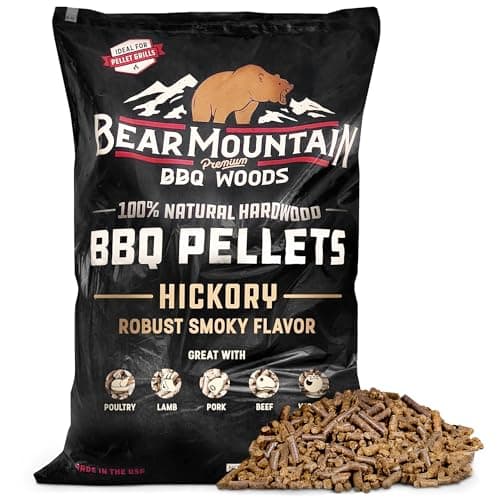
The short answer: buy hickory. Bear Mountain Hickory in a 40-pound bag is the one we would hand a cook whose main project is pulled pork. If hickory has ever struck you as slightly too sharp, Bear Mountain Pecan is the same botanical family with the edges softened, and it is what a lot of competition pork is cooked over.
Six bags make this list. Every one of them had a live, in-stock Amazon listing when we resolved it on October 22, 2026, and every one carries honest cons.
If you are specifically cooking ribs rather than butts and chops, our best wood pellets for ribs roundup is aimed at that cook instead — a five-hour rib cook weights the criteria differently than a fourteen-hour shoulder does.
Quick Picks: Best Wood Pellets for Pork
| Pellets | Best for | Key specs | Price |
|---|---|---|---|
| 1. Bear Mountain Hickory | Best overall — the classic pulled-pork smoke, in the size a butt actually needs | 40 lb · 100% hickory hardwood · bold, bacony, savory · the default low-and-slow pork wood | |
| 2. Bear Mountain Pecan | Best for competition-style pork — hickory-family flavor with less risk of overshooting | 20 lb x 2 (40 lb total) · 100% pecan, no fillers or oils · medium-mild, nutty | |
| 3. Lumber Jack Competition Blend | Best blend for bark — the one bag that handles butts and chops equally | 40 lb · maple, hickory and cherry · heavier smoke output than most blends | |
| 4. Bear Mountain Cherry | Best for color — chops, tenderloin and anything you are serving sliced | 40 lb · 100% cherry hardwood · medium-mild · deepest red bark here | $32.99 · View on Amazon Price as of October 22, 2026 |
| 5. Kingsford Craftsmoke Hickory | Best cheap bag — real single-species hickory at the lowest price on this page | 20 lb · 100% natural hickory hardwood · widely stocked | |
| 6. CookinPellets Perfect Mix | Best big bag for a cook who smokes beef and poultry too, not just pork | 40 lb · hickory, cherry, hard maple, apple · no oak or alder filler, no bark, no added oils | $41.99 · View on Amazon Price as of October 22, 2026 |
#ad — the price buttons are affiliate links and we may earn a commission at no extra cost to you. Prices come from Amazon as of October 22, 2026; the live Amazon price always wins. See our affiliate disclosure.
What Actually Matters in a Pork Pellet
Pork changes the criteria in two specific ways, and both of them push the answer toward stronger woods and bigger bags.
1. The cook is long, so intensity is an asset. Our wood pellet flavor guide states the governing rule: match the intensity of the wood to the richness of the protein, and rich, fatty cuts — brisket, pork shoulder, ribs — can handle medium-to-strong woods. A pork butt is the clearest case in barbecue. Fat carries smoke, and ten to fourteen hours is long enough for a mild wood to simply disappear.
2. The cut matters more than the brand. "Pork" covers a 12-hour bone-in shoulder and a 25-minute pork chop, and they do not want the same wood. Low-and-slow pork — butt, shoulder, belly — is hickory and pecan territory. Hot-and-fast pork — chops, tenderloin, loin — is where apple and cherry are better, because there is no time for a strong wood to integrate and lean meat has no fat to buffer it. We flag which picks suit which below.
3. Cost per pound genuinely matters here. This is the real difference from our chicken pellet rankings. A whole chicken spends 3 to 6 pounds of pellets. A pork butt spends 10 to 20. At that rate a 40-pound bag is not a storage problem, it is two cooks — so bag size and price per pound moved several picks up this list.
4. What the bag actually contains. Pellet labels describe flavor, not always composition. Some "hickory" bags are hickory over an oak or alder base; blends may or may not publish a ratio. We say which below, because that is what burns in your firepot.
How We Chose
These rankings are research-based. We work from each manufacturer's published composition and specifications, from Amazon listings we resolve and verify as live and in stock through the Amazon Creators API, and from the flavor behavior documented across our own pellet guides and pork recipe notes. We do not run a laboratory and we do not claim measured smoke chemistry.
Prices come from our tracked price registry and render live inside the buy buttons, with an "as of" date — never typed into the prose, where a pellet price would be wrong inside a month. Where we describe cost, we describe it as a bracket rather than a number.
1. Bear Mountain Hickory — Best Overall for Pork
Bear Mountain Hickory (40 lb)
Who it is for: anyone whose main project is pulled pork, pork shoulder or pork belly, and who wants the smoke flavor people actually recognize as barbecue.
Hickory is the classic American barbecue wood, and our flavor guide describes it exactly the way the finished meat tastes: bold, savory, slightly sweet, with a bacony quality. It is the smoke most people picture when they picture pulled pork. On a fatty cut cooked for ten-plus hours, that assertiveness is not a risk, it is the point — a milder wood on the same cook produces something that tastes like roast pork with an accent.
Bear Mountain's is 100% hickory hardwood in a 40-pound bag, which is the right size for a cut that spends pellets by the armful. It is also the single-species hickory we already rank in our best wood pellets for smoking roundup, so it is a known quantity rather than a one-page pick.
The honest limitation is that straight hickory is a commitment. It is strong enough that a lean pork chop or a tenderloin will read as over-smoked, and it is the wrong first bag for anyone who also cooks a lot of chicken breast. Hickory is a pork-and-beef pellet, not a do-everything pellet.
Pros
- The definitive pulled-pork smoke — bold, savory, slightly bacony
- 100% hickory, single species, so the bag is exactly what the label says
- 40 lb is the right size for a cut that burns 10-20 lb per cook
- Doubles as an excellent brisket and beef-rib pellet
Cons
- Too assertive for lean, fast pork — chops and tenderloin want fruit wood
- Wrong first bag if chicken breast is also a regular cook
- 40 lb needs dry storage you actually have room for
- No fruit-wood color contribution, so the bark is browner than it is red
2. Bear Mountain Pecan — Best for Competition-Style Pork
Bear Mountain Pecan (20 lb x 2)
Who it is for: the cook who finds straight hickory slightly too sharp, and the cook chasing a competition-style finish on a butt.
Pecan is the most underrated wood in this category and the reason is structural: pecan and hickory are in the same botanical family, so the smoke shares DNA with hickory, but pecan is gentler and more nuanced. Our flavor guide calls it the competition BBQ secret weapon and notes there are essentially no bad pairings with it. On pork specifically, that means you get barbecue-flavored smoke with far less risk of overshooting across a fourteen-hour cook.
Bear Mountain sells it as 100% pecan hardwood with no fillers or oils, and the listing we link is a two-pack of 20-pound bags — 40 pounds total, in two separately sealed bags, which is genuinely better for storage than one 40-pound sack you have to decant. Pecan is also the one wood on this page we would happily run on a pork chop and a pork butt, which makes it the most flexible single-species pick here.
The caveat is price. Pecan is a specialty wood and it costs more per pound than the hickory above or the cheap bag below. If pulled pork is the only thing you cook and you want maximum flavor per dollar, hickory is still the better buy.
Pros
- Hickory-family flavor with a gentler, nuttier, more forgiving profile
- The one single-species wood here that suits both long and fast pork
- 100% pecan, no fillers or oils, in two sealed 20 lb bags rather than one sack
- Also excellent on poultry, lamb and brisket — the bag gets used
Cons
- Costs more per pound than the hickory bags on this page
- Less assertive than hickory, so a smoke-forward cook may want more
- Contributes little color compared with cherry
- Harder to find on a shelf locally than hickory or a competition blend
3. Lumber Jack Competition Blend — Best Blend for Bark
Lumber Jack Competition Blend (40 lb)
Who it is for: the cook who wants one bag that handles a butt on Saturday and chops on Tuesday, and who wants visible smoke output.
Maple, hickory and cherry in a 40-pound bag — and the composition reads like someone designed it for pork. Maple is a pork-and-poultry specialist that our flavor guide rates Excellent on pork; hickory is the backbone; cherry brings color. That is the exact three-wood structure most competition pork hoppers end up at, sold pre-mixed.
Lumber Jack has a reputation for heavier smoke output than most pellets, which is why we rank it for bark. Bark is a function of smoke contact, airflow and surface moisture, and a pellet that produces more visible smoke at low temperatures gives you more of the first variable to work with. It is the same reason this bag already ranks as our heavy-smoke pick in the best wood pellets for ribs and best wood pellets for smoking roundups.
Two honest cons. Lumber Jack publishes this as a three-wood blend without a stated ratio, so you cannot dial it. And on the Amazon listing we resolved, the 40-pound size showed limited stock — a bag that goes in and out of availability is a bag you should buy when you see it, not plan a cook around.
Pros
- Maple-hickory-cherry is close to a purpose-built pork composition
- Heavier smoke output than most blends, which helps bark development
- 40 lb bag, so the cost per cook is reasonable on a long butt
- The most genuinely all-pork bag here — works on butts, chops and ribs
Cons
- Published as a three-wood blend with no stated ratio
- Stock on the 40 lb size has been intermittent at the listing we track
- Heavier smoke is a liability if you prefer a lighter finish
- Costs more per pound than a 20 lb supermarket bag
4. Bear Mountain Cherry — Best for Color on Chops and Tenderloin
Bear Mountain Cherry (40 lb)
Who it is for: the cook whose pork gets served sliced — chops, tenderloin, loin roast, ham — and who wants it to look as good as it tastes.
Cherry is the color wood. Our flavor guide lists pork ribs, pulled pork and chops among its best pairings and specifically calls out that it suits any protein where visual presentation matters, because the color is striking. On pork that reads as a deeper, redder bark than hickory produces, and on a sliced loin it is the difference between pale and appetizing.
It is a 40-pound bag of 100% cherry hardwood and it is the best cost-per-pound single-species fruit wood we track. It is also mild enough — our intensity scale puts it at medium-mild — that it will not bully a lean cut, which is exactly what you want on a 30-minute smoked pork chop or a pellet grill pork tenderloin.
Where it falls short is the long cook. On a fourteen-hour butt, straight cherry is pleasant but noticeably less barbecue than hickory or pecan — you get color and sweetness without much savory depth. The standard fix is to run it as half a hopper with hickory, which is the single most common pork blend in American barbecue.
Pros
- Deepest red bark of anything on this page
- Mild enough for lean, fast cuts where hickory would overshoot
- Best cost per pound of the single-species woods here
- Also a first-rate poultry and rib pellet, so a 40 lb bag gets used
Cons
- Thin on savory depth over a 12-hour butt by itself
- Sweet wood plus a sweet rub can tip pork into candy territory
- 40 lb is a lot of one fruit wood if pork butt is your main cook
- Best used as half a hopper rather than straight, which means buying two bags
5. Kingsford Craftsmoke Hickory — Best Cheap Bag
Kingsford Craftsmoke Hickory (20 lb)
Who it is for: the cook who wants the right wood for pork and does not want to spend much to get it.
This is 100% natural hickory hardwood in a 20-pound bag at the lowest price per pound on this page, from a brand with grocery-store distribution — which matters more than it sounds, because the pellet you can re-buy on the way home is the pellet you will actually use. Kingsford's Craftsmoke line is the same one whose applewood bag is our cheap pick on the chicken pellet page, and the hickory is the version aimed at pork and beef.
For a pork butt, a sub-$20 bag of real single-species hickory is a genuinely good answer. The wood is the wood; a premium bag of hickory and a cheap bag of hickory are far closer to each other than hickory and apple are.
The honest cons are size and consistency expectations. A 20-pound bag is one pork butt with very little margin, so a long cook means buying two. And budget pellets across the category tend to run slightly more variable on moisture and ash than premium bags — not a problem on a weekend cook, worth knowing if you smoke weekly.
Pros
- Lowest cost per pound on this page for a real single-species hickory
- Widely stocked at grocery and big-box retail, so it is easy to re-buy
- 100% natural hardwood with the species stated on the bag
- The right wood for pork at a price that makes experimenting cheap
Cons
- 20 lb is roughly one pork butt — plan on two bags for a long cook
- Budget pellets are more variable on ash and moisture than premium bags
- No fruit wood, so no color contribution at all
- Smaller bag means worse cost per pound than the 40 lb hickory above
6. CookinPellets Perfect Mix — Best Big Bag for Everything
CookinPellets Perfect Mix (40 lb)
Who it is for: the cook who smokes constantly across pork, beef and poultry and wants one 40-pound bag loaded at all times.
Hickory, cherry, hard maple and apple, and CookinPellets states there is no oak or alder filler, no bark and no added oils — so what the label promises is what burns. Read that list against the pork section of our flavor guide and three of the four woods are ones you would pick for pork deliberately: hickory for depth, cherry for color, maple as a pork specialist. The apple is the only one that is incidental here.
It is hickory-forward, which is the correct bias for pork, and it is the bag that already tops our best wood pellets for smoking and best wood pellets for ribs rankings. If you want a single purchase that covers a pulled pork weekend and a brisket the weekend after, this is it.
It ranks sixth here rather than first for one reason: on pork specifically, a straight hickory or pecan bag gets you a more defined result for less money. The Perfect Mix is the best compromise on this page, and a compromise is exactly what a single-protein roundup should rank below the specialists.
Pros
- No filler, no bark, no added oils — the stated composition is the whole bag
- Three of four woods (hickory, cherry, maple) are deliberate pork woods
- Genuinely all-purpose: pork, beef, poultry out of the same hopper
- 40 lb at a mid-range price per pound for a no-filler pellet
Cons
- A blend, so less defined on pork than straight hickory or pecan
- Premium price per pound against the 20 lb budget bags
- Hickory-forward enough to be more than a lean chop wants
- 40 lb of a blend you may not love is a bigger mistake than 20 lb
The Pork Wood Hierarchy
If you want the rule rather than the list, this is it. The ratings come from the pairing table in our wood pellet flavor guide.
| Wood | On pork | Notes |
|---|---|---|
| Hickory | Best choice | Bold, savory, bacony. The flavor people mean by "barbecue." Our top pick. |
| Pecan | Excellent | Same family as hickory, gentler and nuttier. The competition wood. |
| Maple | Excellent | A pork specialist, especially on ham and bacon. Best as a blend component. |
| Cherry | Excellent | The color wood. Mild enough for lean cuts, light on savory depth alone. |
| Apple | Excellent on fast cuts | Our top chicken wood. Right for chops and tenderloin, lost on a butt. |
| Oak | Good, neutral | The most versatile wood there is; a clean base under anything. |
| Alder | Avoid on pork | Our guide names pork shoulder among what alder's subtlety gets lost under. |
| Mesquite | Avoid on long cooks | Strongest common wood. Accumulates to harsh over ten-plus hours. |
Match the Pellet to the Cut, Not to the Protein
This is the part most pellet roundups skip, and it is the single most useful thing on this page.
Low and slow — pork butt, shoulder, belly. Twelve-plus hours, heavily marbled, pulled or chopped at the end. Hickory or pecan straight, or a hickory-cherry hopper. These cuts are the reason strong woods exist. Our smoked pulled pork and pork belly burnt ends recipes both sit in this band. If you cook butts eight at a time, an insulated cabinet is the right tool — our Grilla Grills Mammoth review covers the one we rate highest for volume smoking.
Medium — ribs, country-style ribs, ham. Four to six hours, enough fat to carry smoke, usually sauced or glazed. A blend is the natural answer here: the maple-hickory-cherry composition above is built for it. Our 3-2-1 ribs and smoked ham recipes are in this band, and the dedicated rib pellet roundup goes deeper.
Hot and fast — chops, tenderloin, loin. Under an hour, lean, served sliced. Cherry or apple. Hickory on a pork chop is the most common pellet mistake we see, and it is an easy one to avoid.
Two Hopper Mixes Worth Knowing
Pellet flavors mix in the hopper — pour both in and the auger does a reasonable job of combining them as it feeds. Two mixes matter for pork:
- 50/50 hickory and cherry — the standard American pork blend. Hickory's savory depth, cherry's color and sweetness. If you buy two bags off this page, buy these two.
- 70/30 pecan and cherry — the competition-leaning version. Softer than hickory, still clearly barbecue, with the color cherry adds. This is the mix we would run on a butt we were serving to people we wanted to impress.
What we would not do is mix mesquite into a pork butt to add punch. Over ten-plus hours it does not read as punch, it reads as acrid.
Storage: The Part That Ruins More Pellets Than Flavor Choice Does
Pork cooks mean 40-pound bags, and 40-pound bags mean storage — which is where most pellets actually go wrong.
Pellets are hygroscopic: they pull moisture out of the air whether or not it ever rains on them. A swollen pellet becomes sawdust, and sawdust jams augers and starves firepots. The failure almost always gets blamed on the grill. Three rules: keep bags sealed in a dry container, keep them off a concrete floor (concrete wicks moisture), and do not leave pellets in the hopper between cooks or between seasons. Our how to store wood pellets guide covers the full routine, and pellet grill auger jam covers what to do once it has already happened.
One hard rule that is a safety issue rather than a flavor one: never put heating pellets in a cooking grill. They are not food-grade and may contain softwoods, binders or treated material. Our heating pellets guide explains how to tell the bags apart on sight.
Frequently Asked Questions
What are the best wood pellets for pork?
Hickory. Bear Mountain Hickory is the 40-pound bag we would buy first, and Bear Mountain Pecan is the pick if hickory has ever tasted too sharp to you.
Hickory or apple for pork?
By cut. Hickory and pecan for butts, shoulders and belly; apple and cherry for chops, tenderloin and loin. A twelve-hour butt loses apple entirely; a pork chop cannot survive hickory.
What do competition cooks use?
Pecan, cherry and hickory, usually combined rather than straight. Pecan carries the barbecue flavor, cherry supplies the color pork gets judged on.
How many pellets will a pork butt use?
Roughly 10 to 20 pounds for a 10-14 hour cook at 225-250°F. See how many pellets does a pellet grill use for the per-hour math, and buy a 40-pound bag.
Can I use mesquite?
Not on a long pork cook. It is the strongest common smoking wood and it accumulates to harsh over ten-plus hours. Keep it for short, hot beef.
Does the grill matter as much as the pellets?
More than it does on chicken, because the cook is long enough for temperature stability and chamber heat loss to compound. Our best pellet grill for smoke flavor roundup covers the grills that actually move the needle, and the smoking time and temperature chart covers the targets.
Our Recommendation
Buy Bear Mountain Hickory if pulled pork is the reason you are shopping. It is the flavor people recognize as barbecue, it is single-species so you know what you are burning, and 40 pounds is the right amount for a cut that spends pellets this fast.
Buy Bear Mountain Pecan if you have ever thought hickory was a little much, or if you are cooking for people you want to impress — it is the gentler, more nuanced version of the same family and it is what a lot of competition pork is cooked over. Buy Bear Mountain Cherry alongside either one if your pork gets served sliced, and run the two as a 50/50 hopper. And if you want to own exactly one bag for pork, beef and poultry alike, the CookinPellets Perfect Mix is the honest compromise.
Our Pick: Bear Mountain Hickory Pellets
Bold, savory, bacony smoke in a 40-pound bag — the classic pulled-pork wood, in the size a pork butt actually needs. Check the live price.
#ad — the buttons on this page are affiliate links and we may earn a commission at no extra cost to you. See our affiliate disclosure.
Explore more: Wood Pellet Flavor Guide | Best Wood Pellets for Ribs | Best Wood Pellets for Chicken | Best Wood Pellets for Smoking | Best Wood Pellets for Brisket | Smoked Pulled Pork on a Traeger | How to Store Wood Pellets